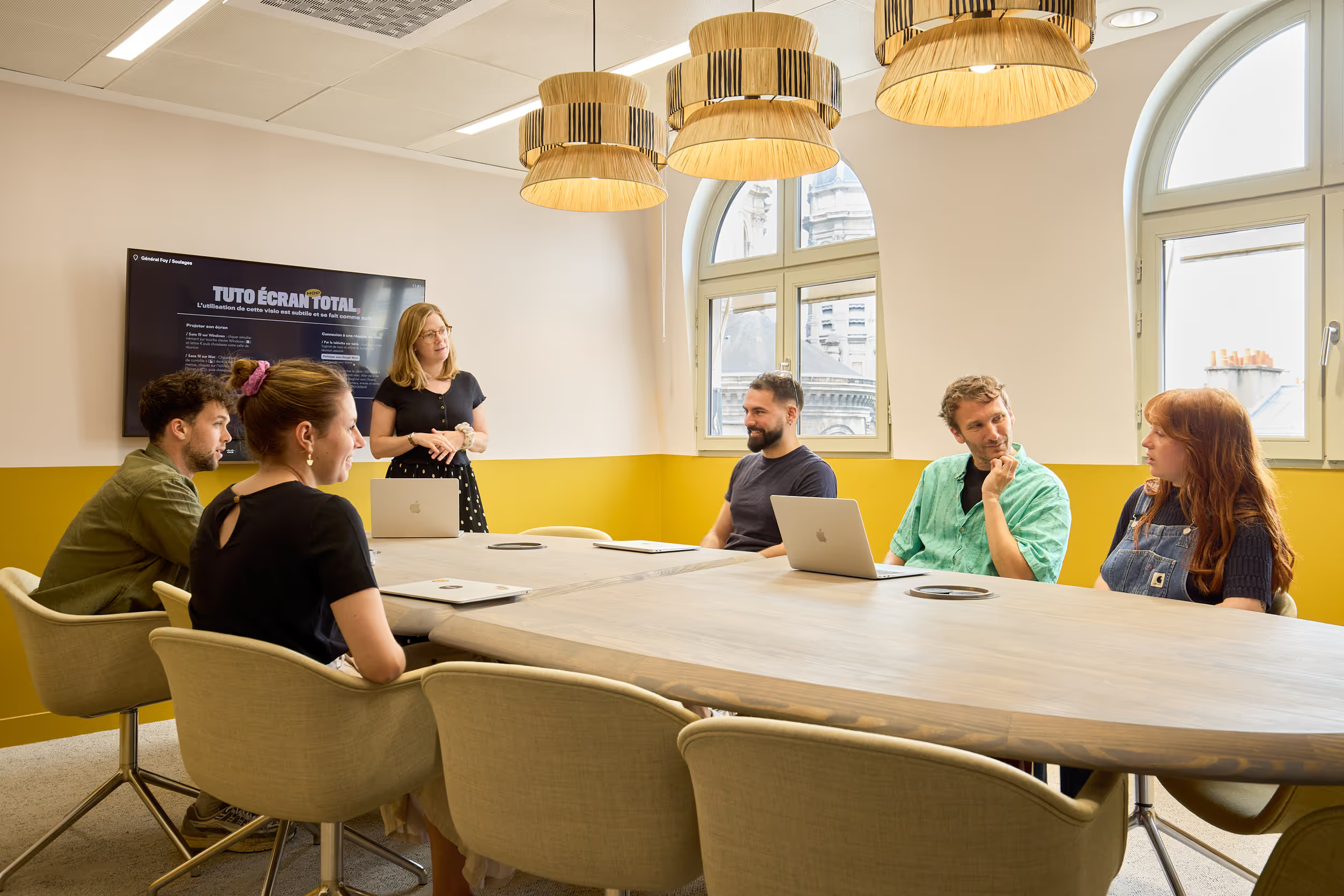


Team building has become a must in companies' HR strategy. But beyond the clichés and off-the-shelf activities, how do you turn it into a genuine lever for collective performance? Let's dive into the fundamentals and best practices for successful team-bonding events.
1 - What is team building and why organise it?
Team building, literally the "construction of a team", goes well beyond a bit of recreational fun. It is a genuine strategic lever for organisational development, with benefits that are measurable and documented. According to the Harvard Business Review, team-building activities account for more than 50% of the improvements observed in the ways staff communicate with one another.
The benefits are manifold: better day-to-day communication, greater trust between colleagues, and the development of collective intelligence. Indeed, solving challenges together makes it possible to identify and make the most of the complementary strengths within teams, thereby making it easier to overcome the usual sticking points. This is why team building is establishing itself today as an essential tool for organisations wanting to strengthen their collective dynamics.
2 - How do you organise a team-building event?

Making your choice according to your objectives
Choosing a team-building activity should be anything but a matter of chance. To help you make the right choice, start by identifying your main objective.
To improve communication: favour activities that force natural exchanges. Improvisation workshops, for example, create a setting where everyone has to speak up and listen to others. Escape games, meanwhile, require efficient information-sharing under time pressure, thereby reproducing everyday professional dynamics.
To spur innovation: opt for formats that shake up habits. Internal hackathons make it possible to mix teams and bring new ideas to the surface. Design thinking workshops, for their part, teach participants to approach problems from fresh angles.
To strengthen team cohesion: experience shows that the activities which create shared memories are the most effective. Sporting challenges, charity projects or cookery workshops generate moments of authenticity that last well beyond the event itself.
What budget for a team-building event?
The question of budget deserves a pragmatic and strategic approach. In France, the average budget ranges between 50 and 150 euros per person for a day of team building. This bracket gives access to complete professional services, including facilitation, logistics and often catering. For more ambitious two-day formats, including accommodation and transport, the budget can reach 300 to 400 euros per person.
The effectiveness of a team-building event is not measured by its cost. New trends, such as hybrid formats combining in-person and remote participation, make it possible to optimise budgets while maximising impact. The essential thing is to prioritise the quality of the facilitation and the expertise of the facilitators, the true guarantees of success, rather than peripheral aspects such as the choice of a prestigious venue or expensive activities.
3 - A few team-building ideas
Indoors
☞ The in-person escape room: One room, one team, 60 minutes to escape. The escape game remains an effective classic that brings natural team dynamics to light. Its value lies in the need to combine everyone's talents: observation, logic, communication... It is an excellent way of revealing your team's strengths.
☞ The cookery workshop: The kitchen is an ideal playground for team building. Whether preparing a gourmet meal or taking on a "Top Chef"-style challenge, this activity naturally creates interaction and moments of sharing. It develops team coordination and time management, while offering an immediate, tasty reward.
☞ Role-play - crisis management simulation: Plunge your teams into fictional but realistic crisis scenarios. This role-play makes it possible to develop collective decision-making under pressure and often reveals unsuspected leadership talents. It is also an excellent way to test and strengthen your communication processes.
☞ The improv theatre workshop: Theatrical improvisation develops active listening and quick thinking. Beyond the playful side, it makes it possible to work on public speaking and adaptability - essential skills in today's professional world. It is also an excellent way of stepping out of your comfort zone in a supportive setting.
☞ The collective creative workshop: From creating a mural to producing a collective sculpture, art is a powerful driver of cohesion. The value lies in the shared creative process, which requires aligning visions and making constructive compromises. The finished result can then adorn your premises, offering a daily reminder of this shared experience.
Outdoors
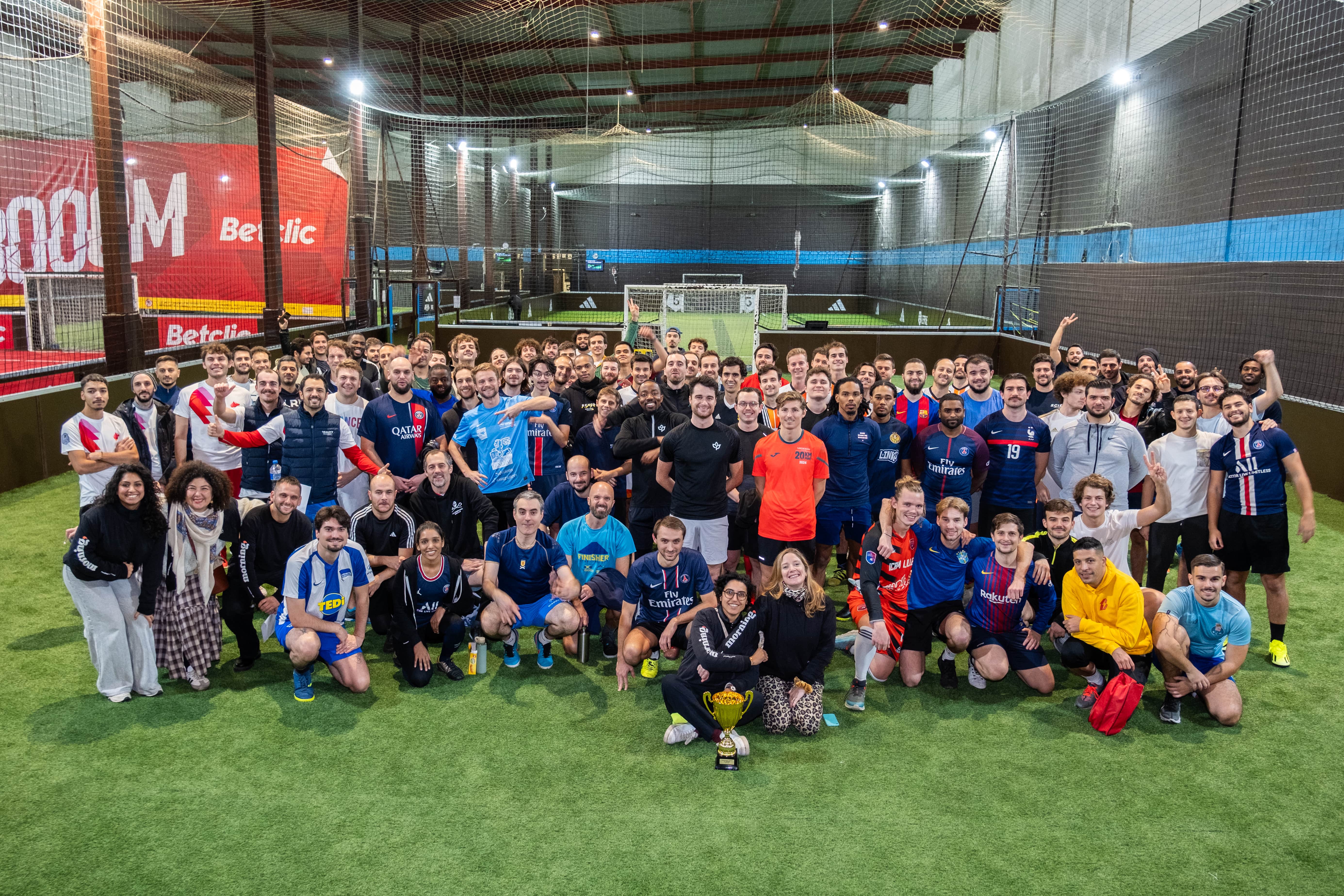
☞ The sports Olympiad : Revisit the classic sporting challenges with a modern twist. Combining physical events with tests of collective intelligence, the Olympiad creates positive rivalry between teams. The benefit is twofold: developing team spirit while promoting well-being through physical activity.
☞ The volunteering day : Combine team building with social impact by organising a day of charity action. Whether for a local charity or an environmental project, this approach gives meaning to your event. It strengthens cohesion while aligning the team around shared values and a sense of purpose.
☞ Workplace gardening : Creating and tending a company garden is a unifying project over the long term. Beyond the activity itself, it is an opportunity to develop a sustainable project that transforms your workspace. Teams literally watch the fruit of their collaboration grow.
☞ The urban treasure hunt : Turn your neighbourhood into a playground with a modern treasure hunt. Equipped with tablets or smartphones, participants have to solve riddles that send them navigating around the city. This activity combines physical exercise, problem-solving and discovery of the urban environment in a playful way.
☞ The open-air well-being workshop : Meditation, yoga or breathing exercises outdoors: these activities meet the growing need to manage stress. The benefit is to offer concrete tools that teams can reuse day to day, while creating a different kind of connection in a natural setting.
The choice of activity should above all match your company culture and the objectives you want to achieve. The essential thing is to create a memorable experience that will have a lasting impact on team dynamics.
If you would like to organise a team-building event for your team in Paris, our Morning event spaces and our teams are here to help!
4 - Choosing the right venue for your team-building event
The importance of hiring an event space
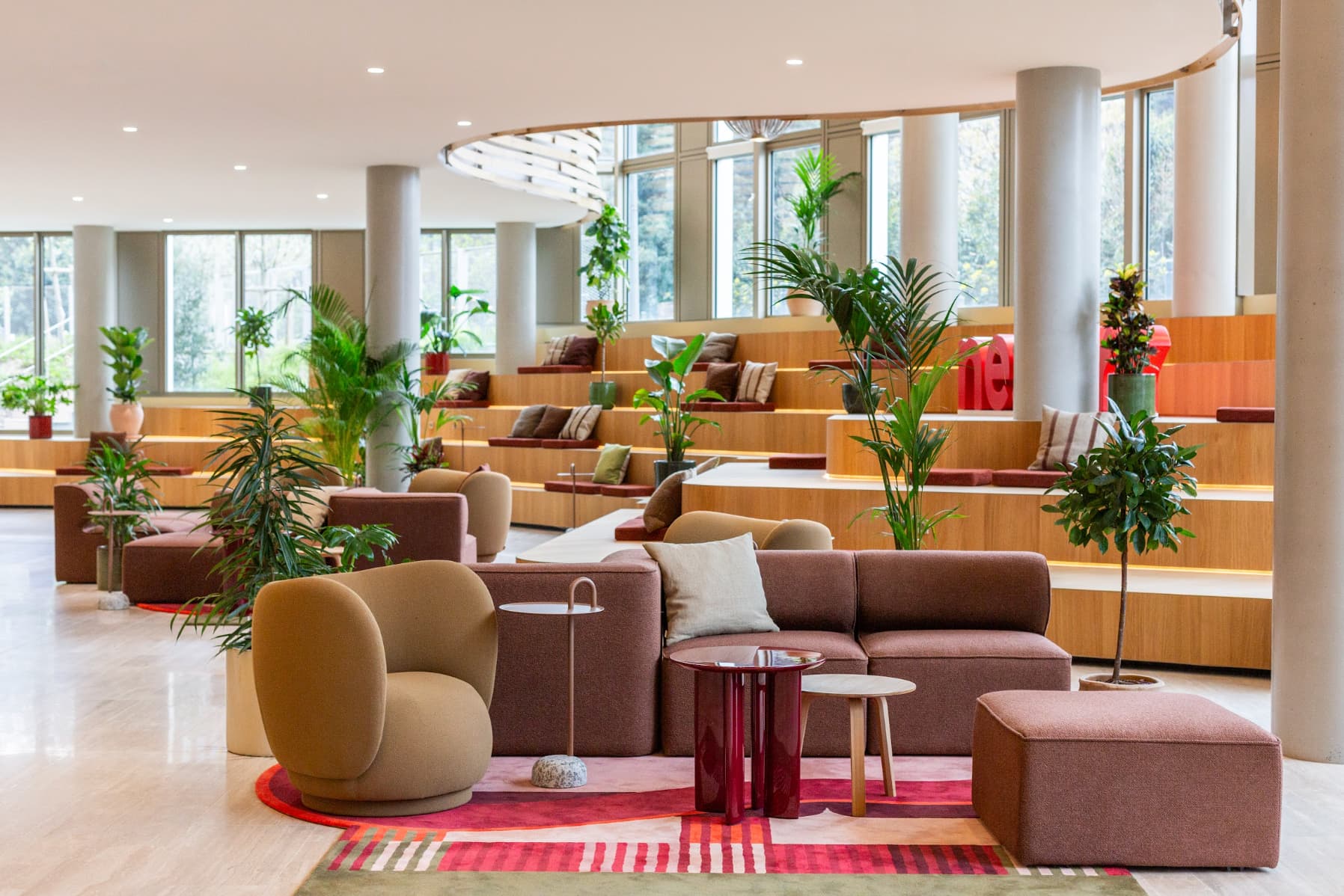
The choice of venue can make or break your team-building event. Hiring an event space is not just about booking a room: it is about choosing an environment that will encourage interaction, spark creativity and leave a lasting impression. A well-chosen venue becomes a catalyst for your event.
The essential criteria for successfully hiring an event space include the modularity of the spaces, the quality of the technical equipment, accessibility and the overall atmosphere. A venue that is too formal can inhibit spontaneous exchanges, while a setting that is too relaxed risks undermining concentration during structured activities.
The advantages of a dedicated space
Opting to hire a professional event space offers numerous advantages. First, it makes it possible to get out of the usual company setting, creating a psychological break conducive to openness and creativity. Second, dedicated spaces generally offer better acoustics, suitable lighting and high-performing technical equipment.
Flexibility is also a major asset: being able to adapt the layout of the room to suit the activities (working in small groups, plenary sessions, a relaxation area) optimises the effectiveness of your team-building event. Not to mention that delegating the logistics to professionals allows you to focus on what matters most: your teams.
If you would like to organise a team-building event for your team in Paris, our Morning event spaces and our teams are here to help!
5 - Facilitating a team-building event well
Facilitation is the cornerstone of a successful team-building event. It is what sets the tone, whether an activity succeeds, falls flat or even loses its audience.
Here is how to turn a simple event into a memorable occasion.
Preparation, the first key to success
Successful facilitation begins well before the big day. The preparation phase is crucial and calls for a methodical approach. First of all, it is essential to carry out a precise assessment of expectations and to identify any tensions within the group. This step makes it possible to fine-tune the content and avoid the pitfalls that could jeopardise the success of the event.
Next comes the briefing of the facilitators, a step that is often neglected but fundamental. They must be perfectly aligned with the company culture and understand the team dynamics at play. A well-briefed facilitator will know how to make relevant references and adapt their delivery to the company's codes, thereby reinforcing the legitimacy of the intervention.
Preparation also includes anticipating the unexpected. Each main activity must have its fallback option, whether alternatives in case of bad weather for outdoor activities or simplified versions if the group's level turns out to be different from what was anticipated.
The big day: orchestrating the experience
On the day of the event, the facilitation needs to find its natural rhythm. An effective team-building event alternates between highlights that create engagement and moments of respite that allow for assimilation and informal exchanges. The facilitator plays the role of a conductor, attentive to group dynamics and able to adapt the programme in real time.
The best facilitators devote a large part of their attention to observing the interactions between participants. They know how to spot signs of fatigue or disengagement and adjust the pace accordingly. This flexibility is essential for maintaining engagement throughout the day.
Making the most of the experience
The impact of a team-building event is measured over time. The consolidation phase is crucial for turning a one-off experience into lasting change. A structured debrief allows participants to take stock of what they have learned and to reflect on how to apply it concretely in their working day. Here is how to structure this step:
- Organise an immediate debrief at the end of the event
- Plan a follow-up some weeks later
- Put concrete actions in place to embed the learning
- Measure the impact on team dynamics over the long term
Team building is no longer a simple box to tick on the HR agenda. It is a genuine tool for transformation which, used well, can significantly improve team dynamics and collective performance.
The key to success lies in the alignment between your objectives, the choice of activity and the quality of the facilitation. A successful team-building event is not the one that generates the most enthusiasm in the moment, but the one that produces lasting changes in the way the team works together.
***
Keen to organise your team-building event? Our events team is here to help.
Our team is available to assist you.

Download our new study
Nouveaux bureaux : ce qu'attendent les salariés
.png)

.jpg)