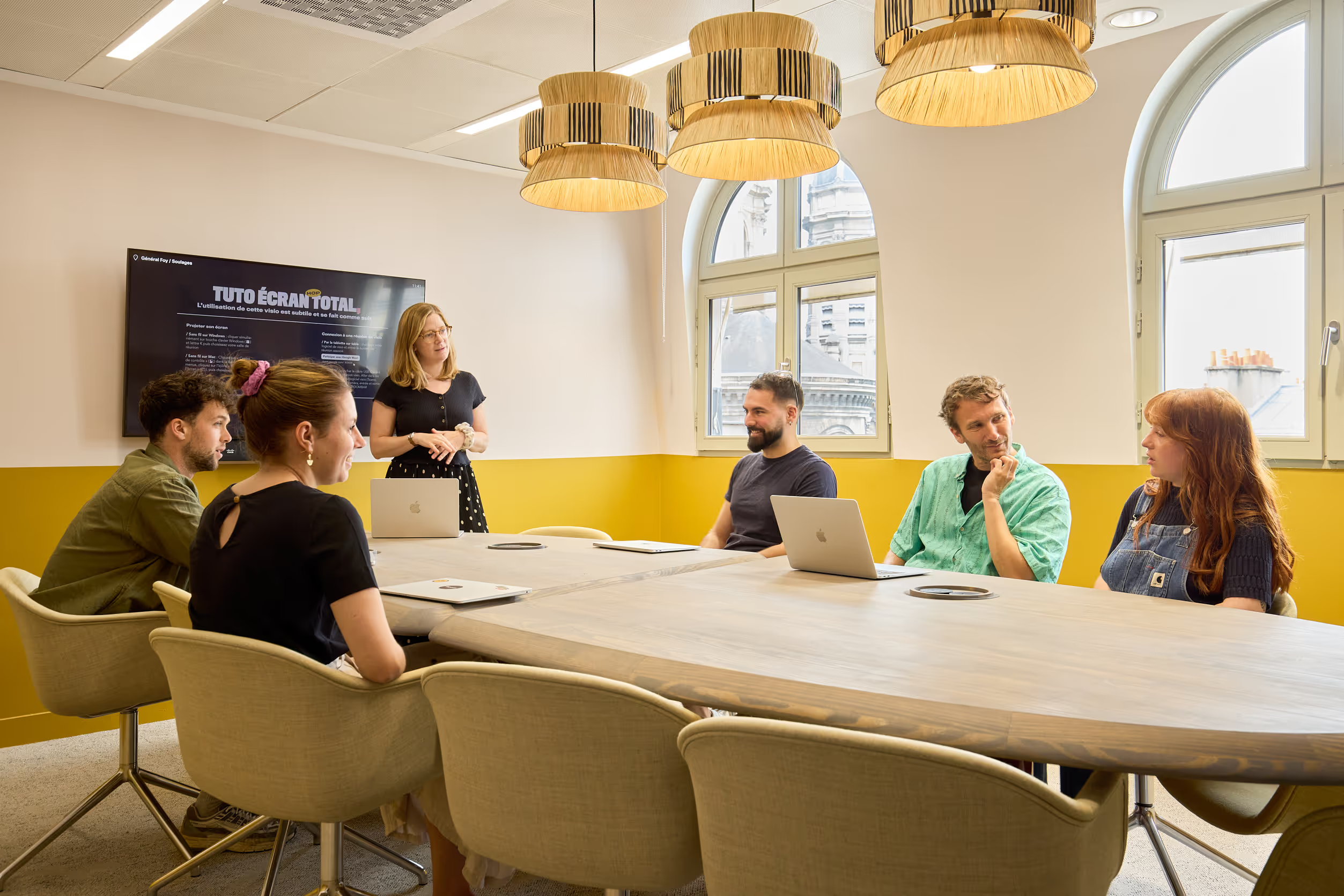


At the end of 2020, fixed desks are still very much a reality in the daily life of companies. 86% of employees have an assigned desk, and 33% work in individual offices. Before the crisis, office occupancy rates hovered between 50% and 60%. We are not far from a contradiction! If nothing is done, the mass adoption of remote work in 2020 (around 2 days a week) will make this paradox even more glaring. One solution is available to companies: flex office.
As economic logic is not fond of this kind of contradiction, organisations are transforming. We are convinced that the great property challenge of today is reducing unoccupied square metres in line with the working practices of our era. To achieve this, workspaces must be "made flexible" according to how they are used.
Flex office, where human needs are placed at the centre
Putting people at the heart of thinking about how the workspace is transformed. Engaging your teams and designing spaces around their needs. We are convinced that it is through a user-centred approach – very much in vogue in marketing, and well versed in so-called “agile” methods – that these transformations will come about. The method? Understanding your people, how they work and what they need, co-building with them so that spaces are fit for purpose and, more than that, getting them on board with these changes!
That is the bet made by SNCF, with a pilot scheme that reveals the scale of the challenges and the possibilities. With the aim of reducing office floor space by 22%, the company launched 5 projects with volunteer groups as part of a broader managerial transformation programme. Through workshops, SNCF brought these spaces to life by multiplying working postures according to needs. The results speak for themselves: floor-space reduction targets met and 80% of staff satisfied.
A great many organisations are moving to flex office, perhaps in a less accomplished way than the case mentioned above but, above all, the results in practice are not always successful. Flexibility cannot be decreed; it is built as part of an organisational culture: consultation, reflection, a project, a charter, suitable furniture, and so on.
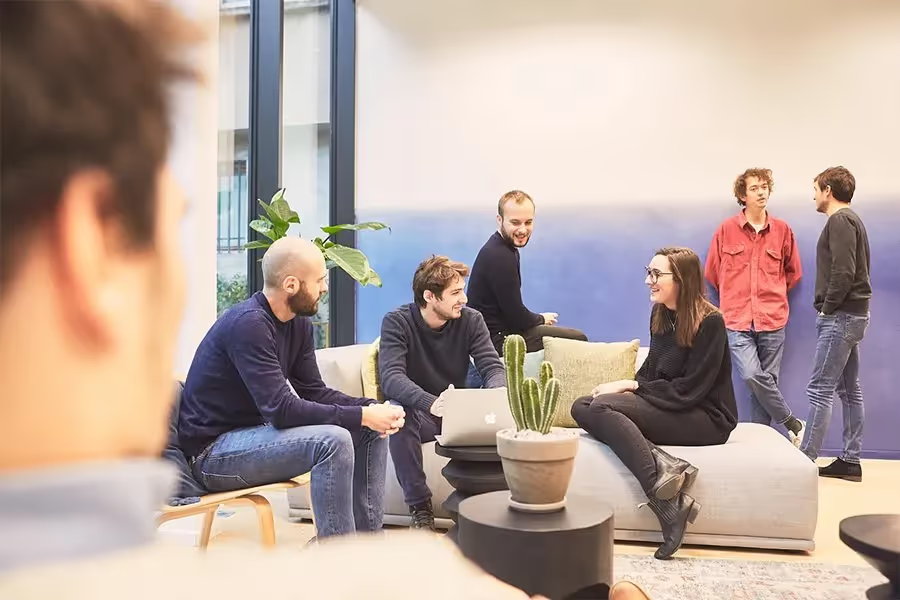
We often see it: staff come back to the same desk despite the absence of an individual office. This "flex squat", as I call it, reproduces the fixed-desk environment. Very often it comes down to a lack of furniture (dedicated lockers, coat hooks, and so on). Yet these differences in practice generate a big difference in floor-space savings: only 40% for "flex squat", 70% compared with "full flex".
(Read also: Organising flex office, simply)

And afterwards?
In the medium and long term
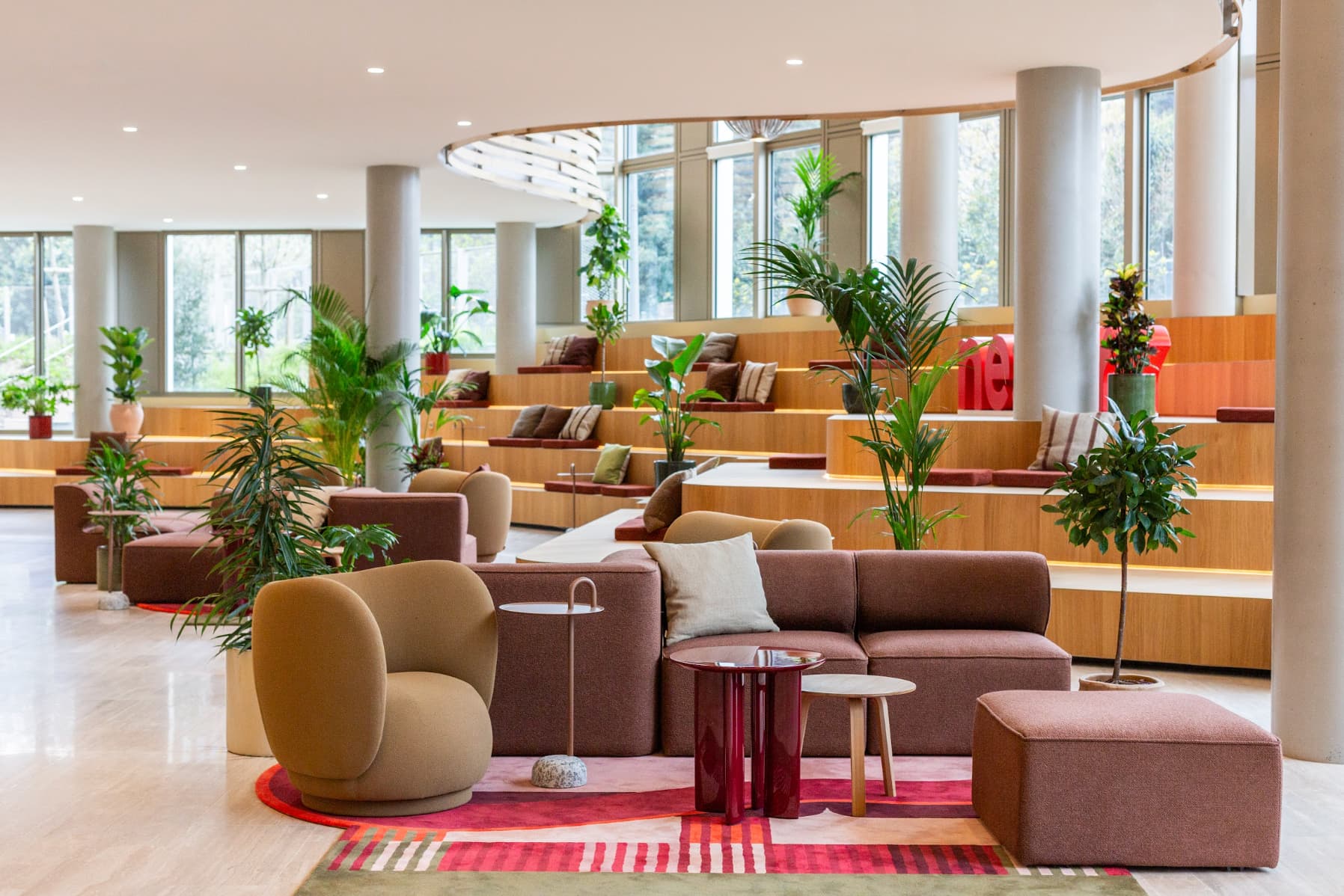
What to do with the square metres freed up? Solutions exist, both for staff and for reducing the burden of fixed costs. Some will opt for subletting, like Nestlé, which turned an entire floor of its head office into a coworking floor. A fine option for easing the rent bill while establishing a creative and innovative ecosystem within its walls. Other players such as Unibail, with its Mixer, will recreate spaces for meeting and creativity aimed at their own staff.
In the medium term, companies will seek to reduce their structures and office floor space in order to lighten the weight of their fixed assets: to optimise the costs that property places on them, they will try to reconcile use of space with financial considerations. The office will play the role of a “totem” – an element that brings together the company culture – and will also be smaller and more modular. More and more companies will take advantage of coworking spaces to offer their staff the chance to work remotely in these places closer to home, while remaining in working environments that are relevant and productive for their needs. Corpoworking will also be an option. Take BNP, which is developing its Be Nomad app in-house, allowing staff to work across a network of internal BNP spaces.
In the long term, the employee will be far more nomadic. The company will absolutely have to support them, both across its various sites and beyond. It will have to adapt to emerging working practices and become more sensible in its use of square metres. In other words, the office has not finished evolving.
(Discover our coworking spaces.)
☞ To go further: revisit the ReSPACE conference ”Transforming ways of working and flexible offices: how to adapt?” with Laurent Lesmarie and Clément Alteresco
Our team is available to assist you.

Download our new study
Nouveaux bureaux : ce qu'attendent les salariés
.png)
.jpg)