

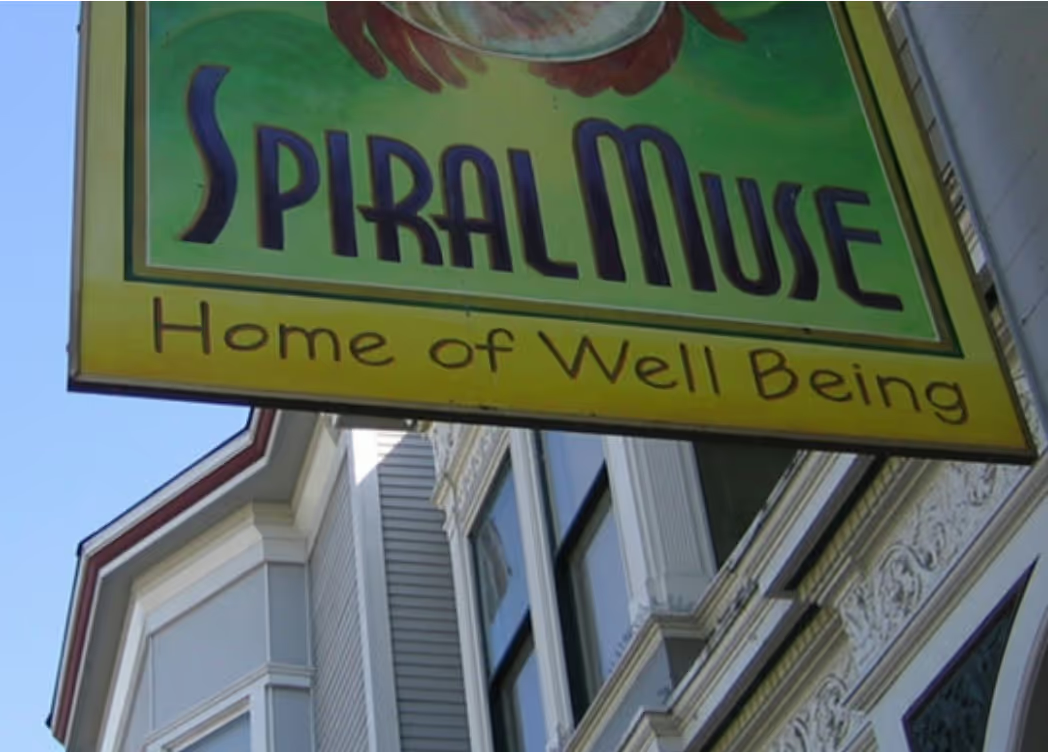
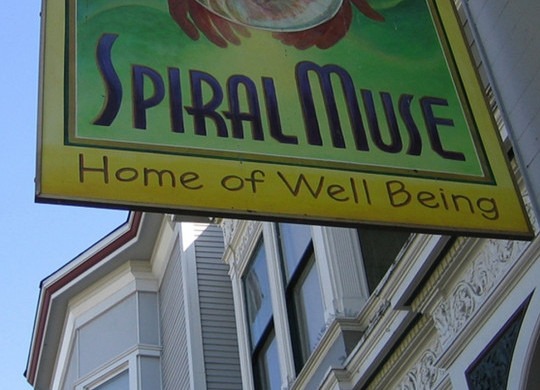
In August 2005, Brad Neuberg set up an unconventional workspace inside Spiral Muse, the premises of a San Francisco feminist collective. Two days a week, the city’s freelancers could rent a desk there, with Wi-Fi access, shared lunches and meditation sessions. Neuberg was the first to give the name “coworking” to this physical space, open to all and driven by a philosophy of collaboration.
These are terms enshrined by Wikipedia contributors, who define coworking as a way of organising work that brings together a shared workspace and a network of workers who value exchange and openness.
Over the following two decades, the story of coworking would track the evolution of numerous factors: technological and social innovations, HR and management practices, the economic climate, employment and property law, the health crisis, and so on.
Over the years, the make-up of users grew more diverse, the range of offers and services expanded, and the layout of spaces changed. Far removed from the open-plan office shared by a handful of freelancers, today’s coworking spaces welcome businesses of every size, all making the most of shared services.
This anniversary (2005/2025) is the perfect moment to glance in the rear-view mirror and revisit the key milestones of a story that began in the US and continues all around the world.
#1 The early days of coworking (1989-2004)
New kinds of mobility, new technologies
Back then, the coworking space did not yet exist. That said, technological innovations and entrepreneurial ventures would create fertile ground for it to emerge.
In particular, connectivity improved, computer hardware grew lighter, and a new way of organising work began to flatten hierarchies and promote versatility across roles. The first communities of freelancers started to form.
A few notable events from the period:
Technology. First online purchase (1994) // The USB port is created (1996) // Foundations of the Wi-Fi network (1997). In France: the 2G network rolled out by Orange (1992) // First mobile plans (1996) // 3G network (2004).
Services & the world of work. Amazon (1994), eBay (1995), Wikipedia (2001), Wordpress and Skype (2003) and Facebook (2004) are founded // First dot-com bubble (2000).
A coworking timeline (in the making):
1989. The first Regus business centre opens (now IWG), founded by Mark Dixon. The Brussels building offered short-term office rentals and shared services: telephone, reception, meeting rooms and more. The tenants gathered under one roof, but did not collaborate.
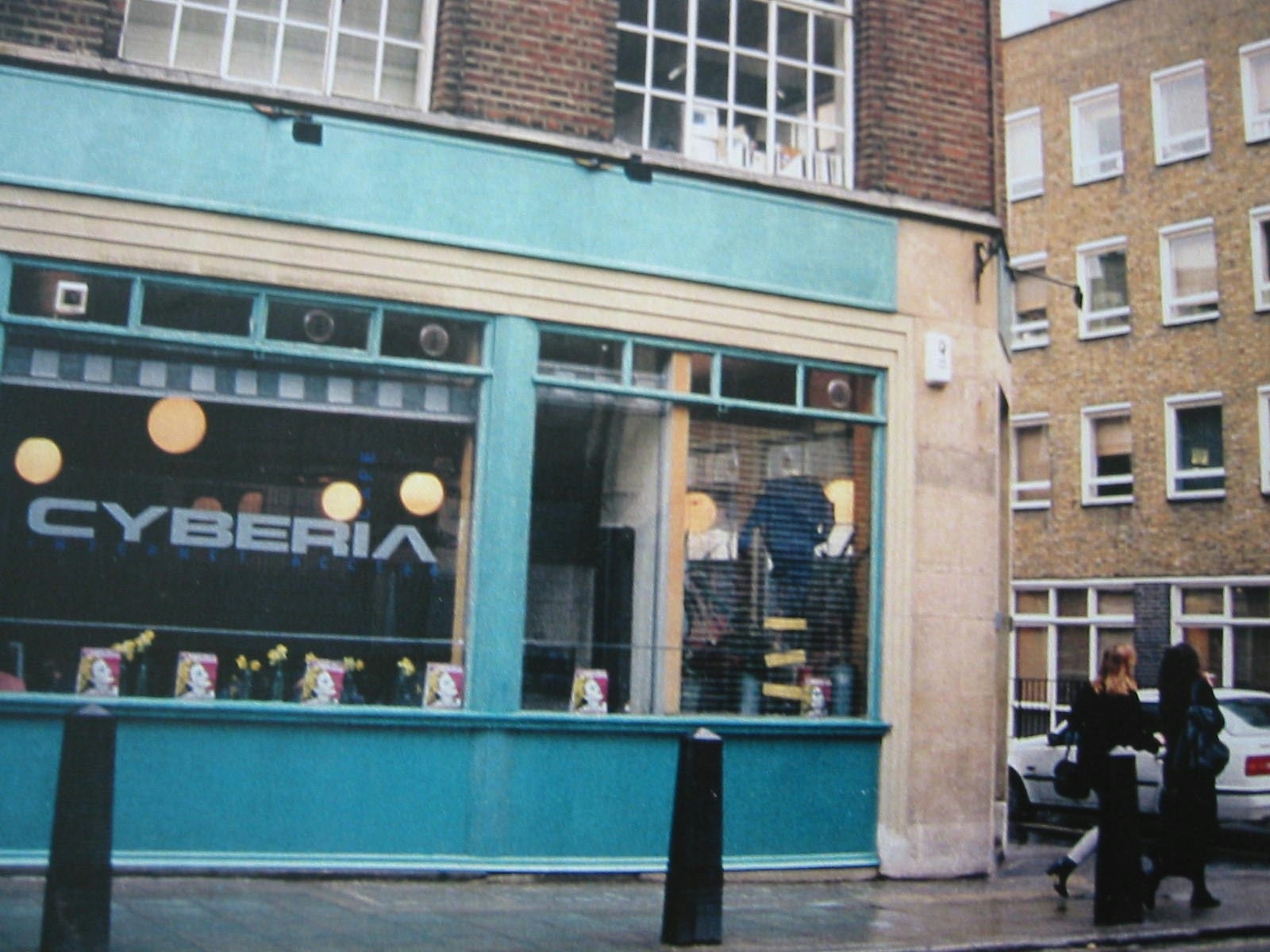
1994. The Cyberia café opens in London, a pioneer of the internet café. It provided computers and internet access in a welcoming setting, drawing in students, freelancers and travellers. In this social hub, collaborative work was not the main focus.
1995. C-base is founded by 17 engineers. This Berlin hackerspace brought together computing enthusiasts to work on shared projects. The services and equipment were spartan. What’s more, this “geek” community was not open to every kind of profile.
1999. The term “coworking” is used for the first time by the American game designer Bernie De Koven. The term was not yet tied to a physical place but described a way of working focused on collaboration and doing away with hierarchy.
2002. The Schrauben Fabrik is created by two Austrian entrepreneurs. Housed in a former factory in Vienna, the Schrauben Fabrik was designed as an entrepreneurial hub for architects, PR consultants, start-ups and freelancers. This formula, bringing together a wide mix of profiles, came close to the coworking that was to follow.
#2 A community movement (2005-2009)
Freelancers of all nations, connect.
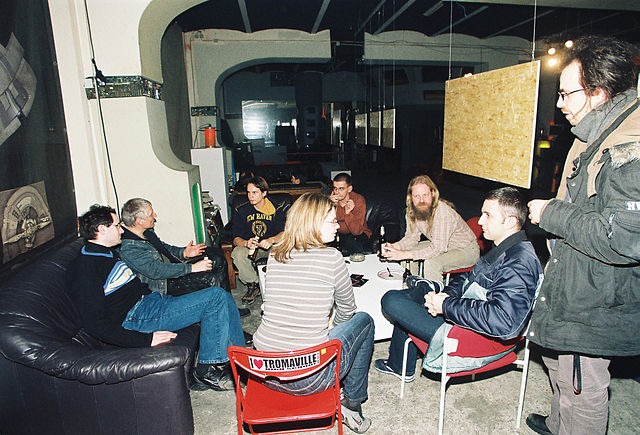
From 2005 onwards, the first coworking spaces appeared in San Francisco: Spiral Muse, The Hat Factory, Citizen Space, Parisoma, and others. All shared (and championed) a collaborative vision of work, with no barriers between sectors. Over the years and with each new opening, the formula improved. There were more desks, services grew, and so did the equipment.
In this era of open source, tech and the sharing economy, these places attracted freelancers and entrepreneurs keen to find an affordable workspace, cut down on their commute and join a network. First opening in the US, coworking spaces gradually spread across Europe and the rest of the world.
A few notable events from the period:
Technology. iPhone 2G (2007), iPhone 3G (2008), 600 Mbps Wi-Fi (2009), Blockchain/Bitcoin (2009).
Services & the world of work. Apple announces it is selling more laptops than desktop computers (2005), YouTube (2005), Twitter (2006), the launch of Amazon Web Services (2006), Airbnb (2008) and Uber (2009). Subprime crisis (2008). In France: the auto-entrepreneur status is created + the “France Numérique 2012” plan (2008).
The coworking timeline:
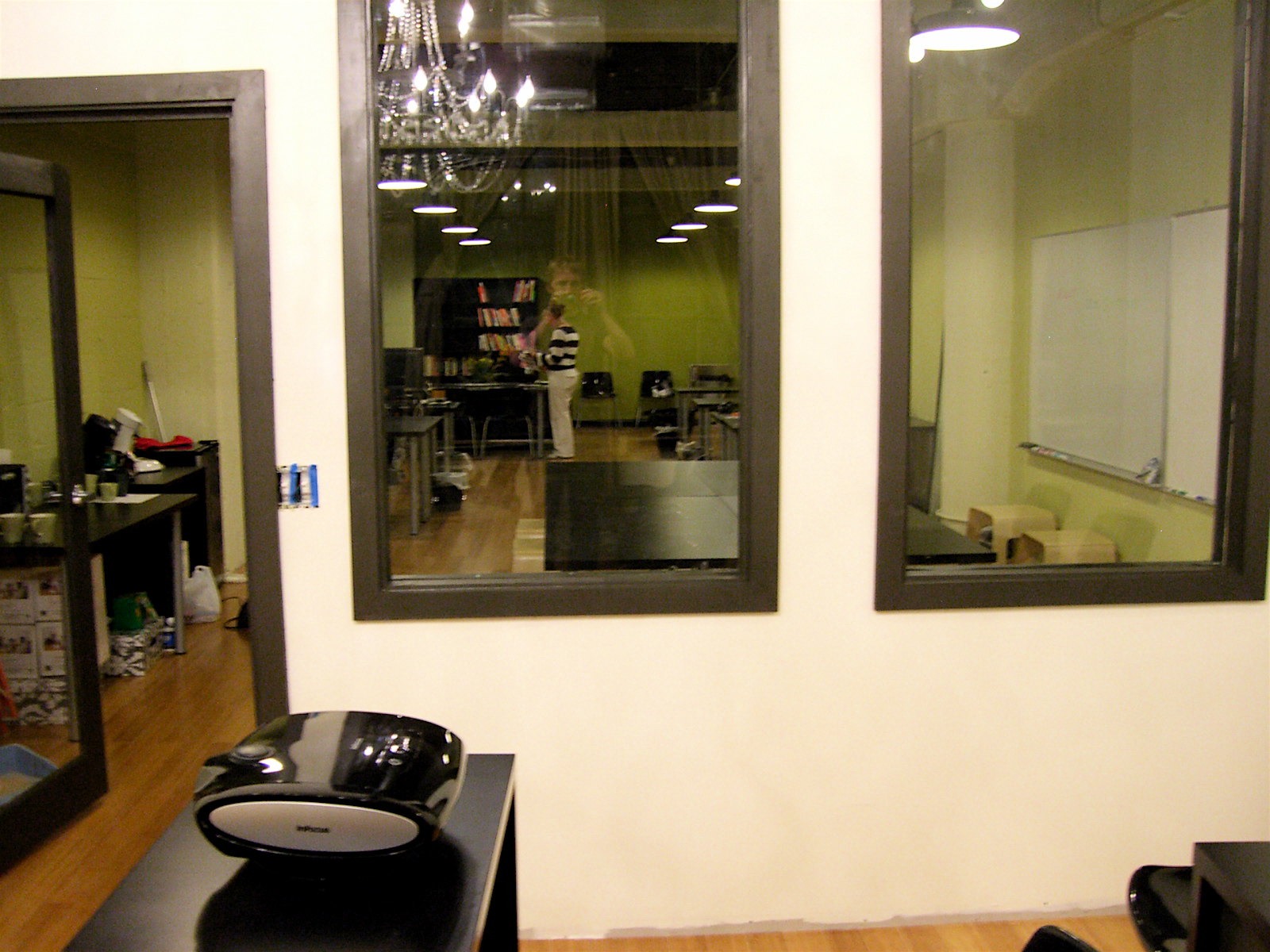
2005. The San Francisco Coworking Space opens, founded by Brad Neuberg. This computer engineer – a former company employee – was struggling with the loneliness of freelancing. Working from home, in cafés and in libraries, he missed the sense of belonging and collaboration. That gave him the idea of renting the Spiral Muse premises – two days a week – to let freelancers take a desk, with amenities including a shared kitchen and a “coworking garden”. Funny aside: when he went to buy the domain coworking.com, Brad discovered that Bernie De Koven had got there first. He had no idea he existed. At the end of the year, Neuberg teamed up with around a dozen volunteers to launch The Hat Factory. This new coworking space, tucked away in a loft, was open every day.
2006. Chris Messina and Tara Hunt open Citizen Space (a few wonderfully vintage photos). The equipment improved, and the number of desks made it possible to gather a significant chunk of San Francisco’s tech community.
2008. Parisoma is created in San Francisco by Fabernovel. Clément Alteresco (Morning’s boss) was among the founders. Inspired by Citizen Space and the Bar Camp movement, Parisoma hosted shared moments such as Hackathons and TedX events. That same year, France’s first coworking space opened in Paris: La Cantine. Hot on its heels, La Ruche set up in Paris to champion social innovation.
2009. Betahaus opens in Berlin with 150 spaces across 2,000 m² of open-plan office. In France, spaces were opening everywhere. Among them: Projet Darwin (Bordeaux) and Artilect FabLab (Toulouse). Each venue built its own community of coworkers.
#3 Coworking spreads its wings (2010-2014)
A flexible formula for small organisations.
The rise of digital start-ups gave birth to a new work culture – collaborative and agile – that chimed with the coworking philosophy. Just like freelancers and independent workers, young companies were looking for flexible solutions to set up, test an idea or simply break the isolation.
No more need to take on fixed costs or lock themselves into a long lease. Over the years, the model spread abroad. Coworking was no longer reserved for major cities or tech profiles; it now spoke to every sector and every region. During this phase of expansion, coworking championed its founding values: pooling resources, mutual support, a community of peers and, of course, conviviality.
Between 2010 and 2014, in France, the number of coworking spaces went from a few dozen to nearly 250. After Paris, mid-sized towns followed suit, giving rise to local networks and the emergence of hybrid models: incubators, third places, fablabs and so on.
A few innovations & events:
Technology. Siri (2010), Oculus Rift (2012), Alexa/Amazon Echo (2014) and Netatmo, the French home-automation gem (2011)
Services & the world of work. Google Drive (2012), Zoom (2013) and Slack (2013). Second dot-com bubble (2012). In France: the “France Très Haut Débit” plan (2013) and the first “French Tech” labels (2014).
The coworking timeline:
2010. WeWork is founded by Adam Neumann and Miguel McKelvey. In no time, the American company became the world leader in coworking by developing a range of services and interior fit-outs. Remix Coworking is created in Paris.
2011. The La Cordée network is created, going on to become France’s largest network of coworking spaces outside Paris. Many openings followed in France, such as Les Satellites in Nice.
2012. The Ping (Nantes) and the Pépinière 27 (Paris) open. Bordeaux’s first coworking space also opens its doors: le Node.
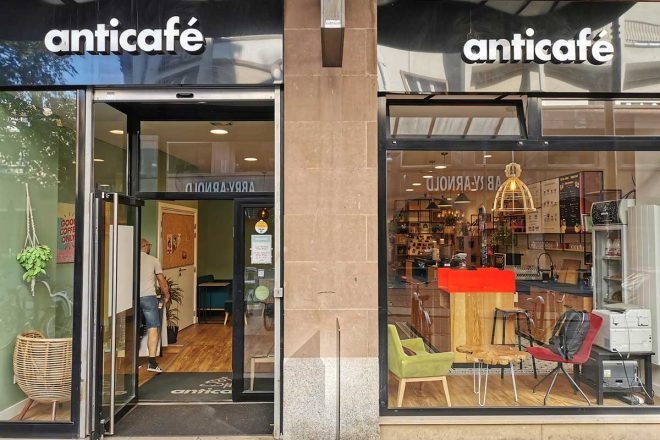
2013. Anticafé is created by Leonid Goncharov. The start-up would go on to become the leader in café-coworking in France. In Paris, La Mutinerie and Numa open in the Silicon Sentier. At the end of the year, Albert Angel and Lawrence Knights open the first Kwerk.
2014. Bureaux à partager (the future Ubiq) launches Morning Coworking, 🎉🎉🎉 Clément Alteresco and his team initially bet on spaces awaiting refurbishment to secure a sound business model. That same year, Philippe Morel created the NextDoor centres (the future Wojo). Le Tank opens in Paris.
#4 Coworking gathers momentum (2015-2019)
From the community open-plan office to shared workspaces
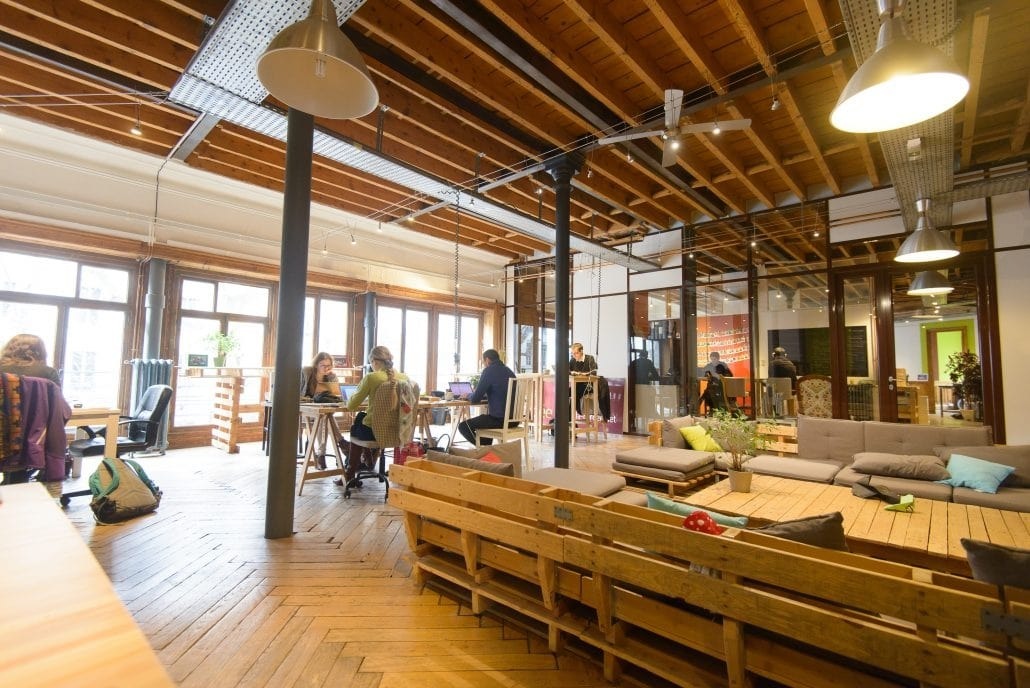
This period saw the arrival of the giant WeWork in France, giving coworking a serious boost in visibility. Breaking with the classic commercial lease, renting a coworking space works like a flexible service. The formula proved appealing, well beyond start-ups.
The main coworking players (Morning, NextDoor, WeWork) focused on supporting large organisations (>20 employees). To do so, they leased entire buildings and fitted them out as shared workspaces. Far removed from the open-plan office for freelancers, these buildings brought together enclosed offices where each company had its own space. Sometimes, whole floors were allocated to large organisations.
In the shared areas, services moved upmarket: careful design, catering, sport, events (talks/training). While all tenants could meet at events and share opportunities, the collaborative philosophy so dear to Brad Neuberg was losing ground. Smaller coworking spaces, on the other hand, held on to their community dimension.
A few innovations & events:
Technology. Google Assistant (2016) and AirPods (2016).
Services & the world of work. Teams + Meet (2017). In France: first remote-work agreement (2017) and the PACTE law (2019).
The coworking timeline:
2015. The first NextDoor space opens in Issy-les-Moulineaux. The first Now Coworking opens in Rouen.
2016. A pioneer of premium coworking spaces, The Bureau opens its first address in Paris, in the Golden Triangle. Bureaux & Co and Héméra are created. HSBC moves 300 employees into coworking. IBM does the same with some of its subsidiaries.
2017. WeWork opens its first space in Paris, on rue Lafayette. Station F opens in Paris, the largest start-up campus in the world. France now has 600 coworking spaces (vs 250 in 2014).
2018. Nexity acquires a stake in Morning.
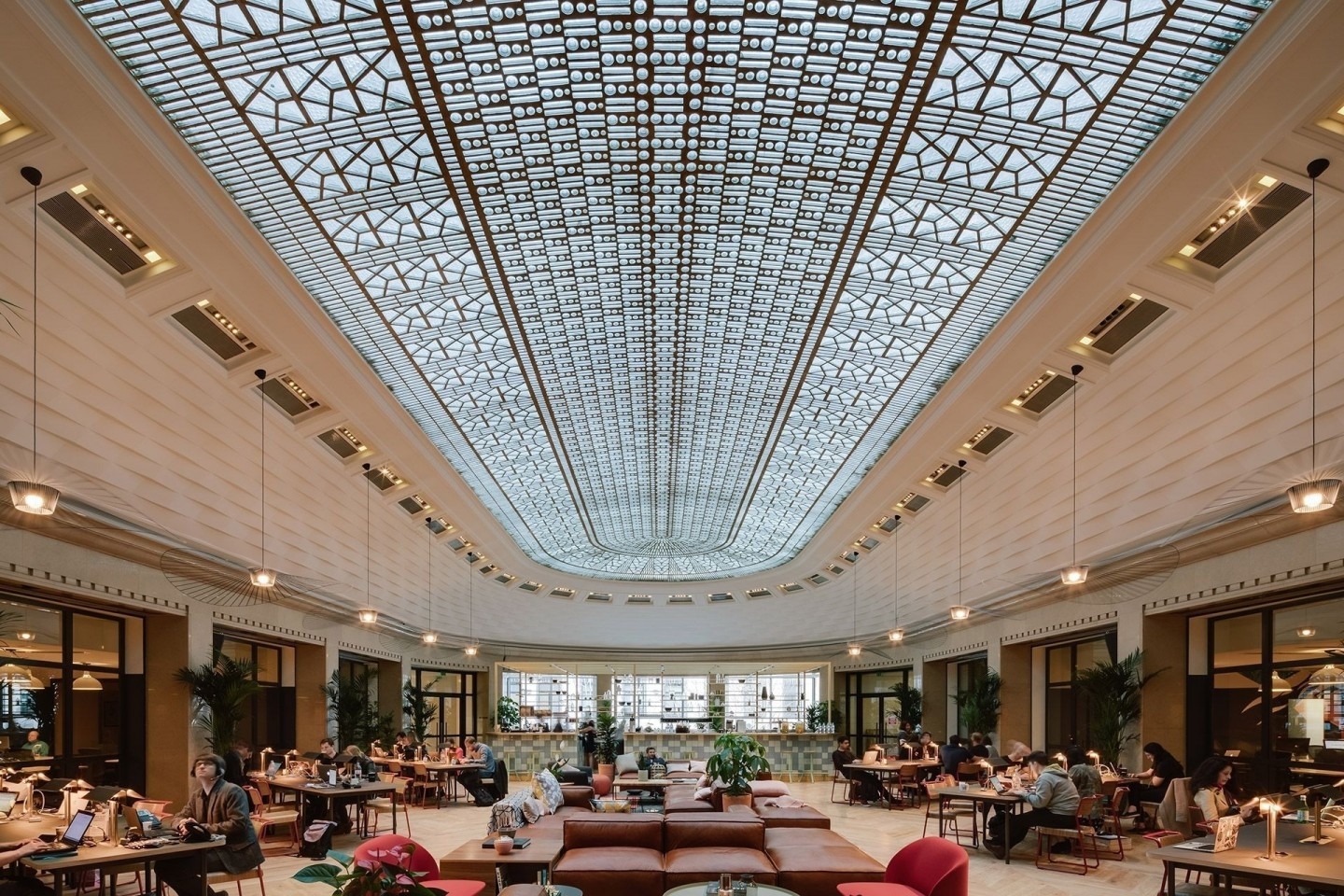
2019. Europe’s largest coworking space opens in La Défense (18,000 m²), run by Spaces (absorbed by IWG in 2014). NextDoor becomes Wojo. Morning becomes the leading French player in the sector, with 22 spaces in operation (60,000 m²). The team opens Morning Concorde within the Hôtel de la Marine. WeWork abandons its stock-market flotation after a major drop in its capital valuation.
#5 Flexible living spaces (2020-2025)
to embrace remote-work practices
The previous period ended with WeWork’s failed stock-market flotation, marking the start of a phase of maturity. But it was the health crisis of 2020 that would accelerate the sector’s profound transformation. Mass remote work, the explosion of collaborative tools and the blending of uses upended traditional reference points.
Flex office, variable occupancy and the modularity of spaces established themselves as the new norm. The flexibility of the contract helped make this formula a success. The office was no longer a compulsory stop but a choice – even a value-added experience. Companies had to reinvent their organisation: how do you maintain team cohesion and company culture when everyone is no longer in the same place?
To win over employees and make them want to come back, coworking spaces (just like so-called “traditional” offices) became genuine living spaces, offering upmarket services: concierge, catering, sport and wellbeing. Compared with traditional offices, coworking spaces could claim more fertile ground for encounters, exchange and creativity.
A few notable events from the period:
Technology. FTTH 1Gb/s fibre goes mainstream (2020+) // ChatGPT (2022) // The Neuralink "Telepathy" implant (January 2024) // GPT-4 (2023) // In France: 5G rolled out (2020).
The world of work. European AI Act (2024) and forced "return to office" (Amazon, Google 2023-2024). In France: second remote-work agreement (2021), the four-day-week debate (2022+), Mental Health at Work – National Cause of the Year (2025) // strengthened right to disconnect.
A few key dates:
2020 - Two lockdowns in France (17 March-11 May // 30 Oct-15 Dec). Explosion of online collaboration tools. Zoom went from 10 million daily users (December 2019) to 300 million (April 2020). Working from home took hold. While coworking spaces stayed open, their footfall collapsed.
2021. France’s third lockdown (April/May). Remote work – now widespread – became the subject of a second remote-work agreement in France. The Connecteur in Biarritz opens (8,000 m²).
2023. WeWork files for bankruptcy before a New Jersey court.
2024. The Climate House opens. Co-founded by 80 entrepreneurs (including Clément Alteresco), this venue aims to reinvent the economy in the service of the ecological and social transition. The Morning team opens its 50th workspace. WeWork announces the closure of 8 of its 20 offices in France.
2025. A coworking giant is set to emerge in Clermont-Ferrand. At 18,000 m², the PIC promises to revolutionise shared working. Opening scheduled for January 2026.
Coworking’s 20th anniversary is a fine opportunity to take a step back. Over the years, different forms of work organisation and different practices have come together, grown richer and are far from done evolving.
Today, these forms can coexist within a single city. Community café-coworkings sit alongside large spaces that bring companies together under one roof. In these large complexes, where each company has its own premises, there are no community obligations but plenty of shared resources: equipment, services, training, talks and so on.
It’s interesting to see that these large spaces make hot desks available. The Morning team now offers a range of options and services that echo the history of coworking:
=> A “business” offer (from the small enclosed office to a whole floor) with shared resources and equipment.
=> An “freelancers” offer with open-plan desks, whether fixed or hot desk. “Community” get-togethers are on offer to strengthen the bonds.
=> An offer dedicated to creative professions within the “Studio” at Morning Clichy. Just like the Schrauben Fabrik in its day, the idea is to bring together similar profiles in a single place. If you’re interested, do get in touch ;)
Our team is available to assist you.

Download our new study
Nouveaux bureaux : ce qu'attendent les salariés
.png)

.jpg)