

.avif)
The figures speak for themselves: only 8% of French employees describe themselves as engaged at work, according to Gallup's 2025 annual report, which places France second from bottom in Europe. Worldwide, the figure struggles up to just 21%. In other words, nearly 8 workers in 10 get through the day without ever really putting their heart into it.
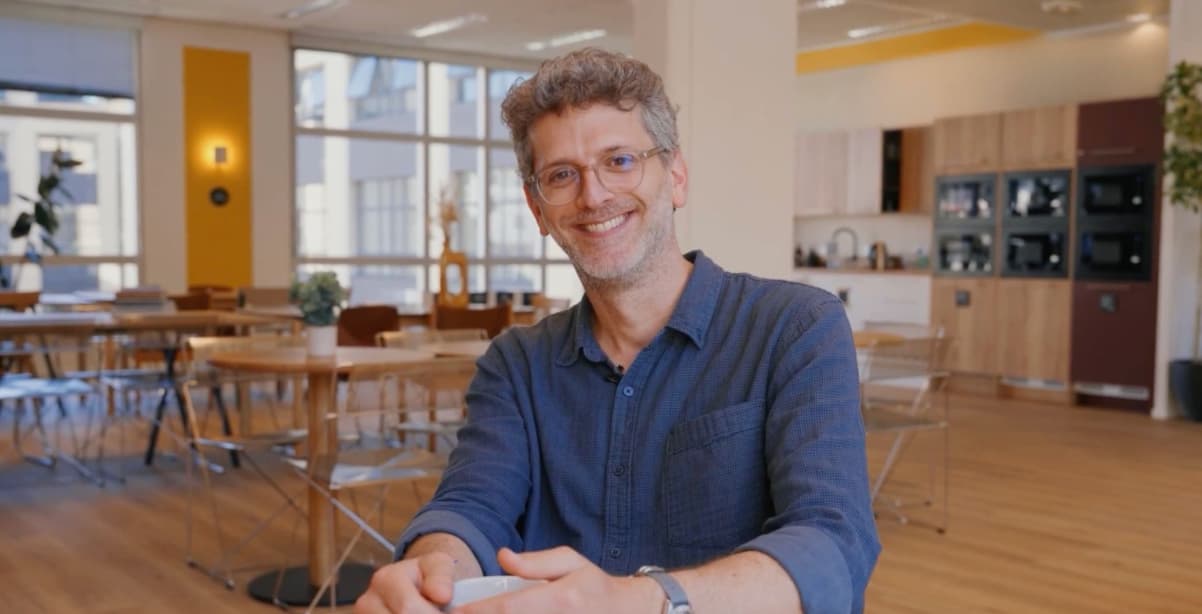
Can a well-designed, welcoming, well-located office, kitted out with genuinely useful services, influence happiness, and therefore employee engagement? On 14 April 2026, Clément Alteresco, founder of Morning, was a guest on the programme La France Bouge on Europe 1. He used the occasion to look at what companies can do, in practical terms, to improve happiness at work.
From the compulsory office to the office people actually want
Just fifteen years ago, the question didn't even arise. Employees went to the office because they had no choice. Since Covid, everything has changed. Remote work has become established, habits have shifted, and employees have discovered that they can work differently: from home, from a café, from anywhere with a decent connection.
The upshot: the office has become a place employees choose to go to. And for that choice to be made, the place has to be worth it.
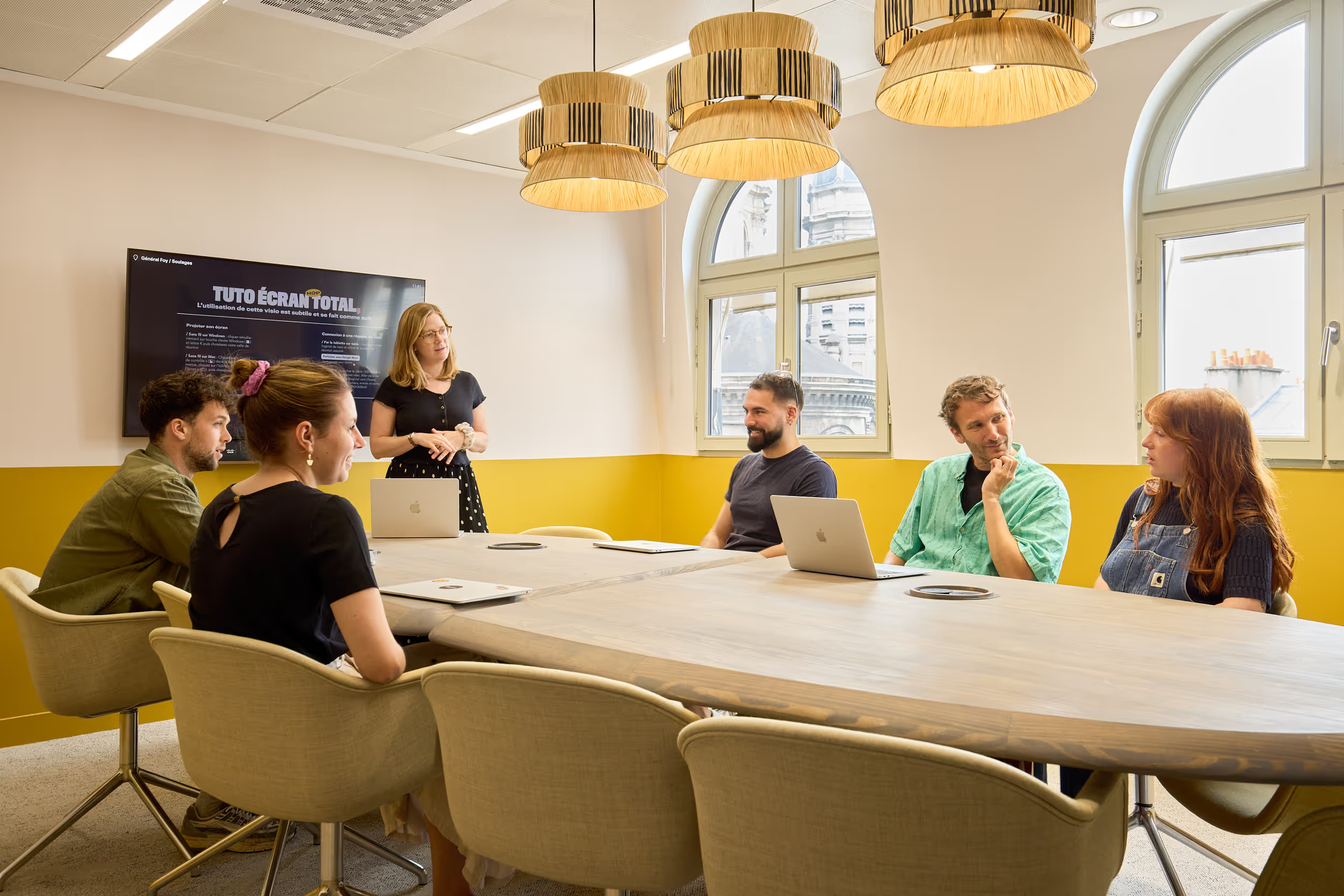
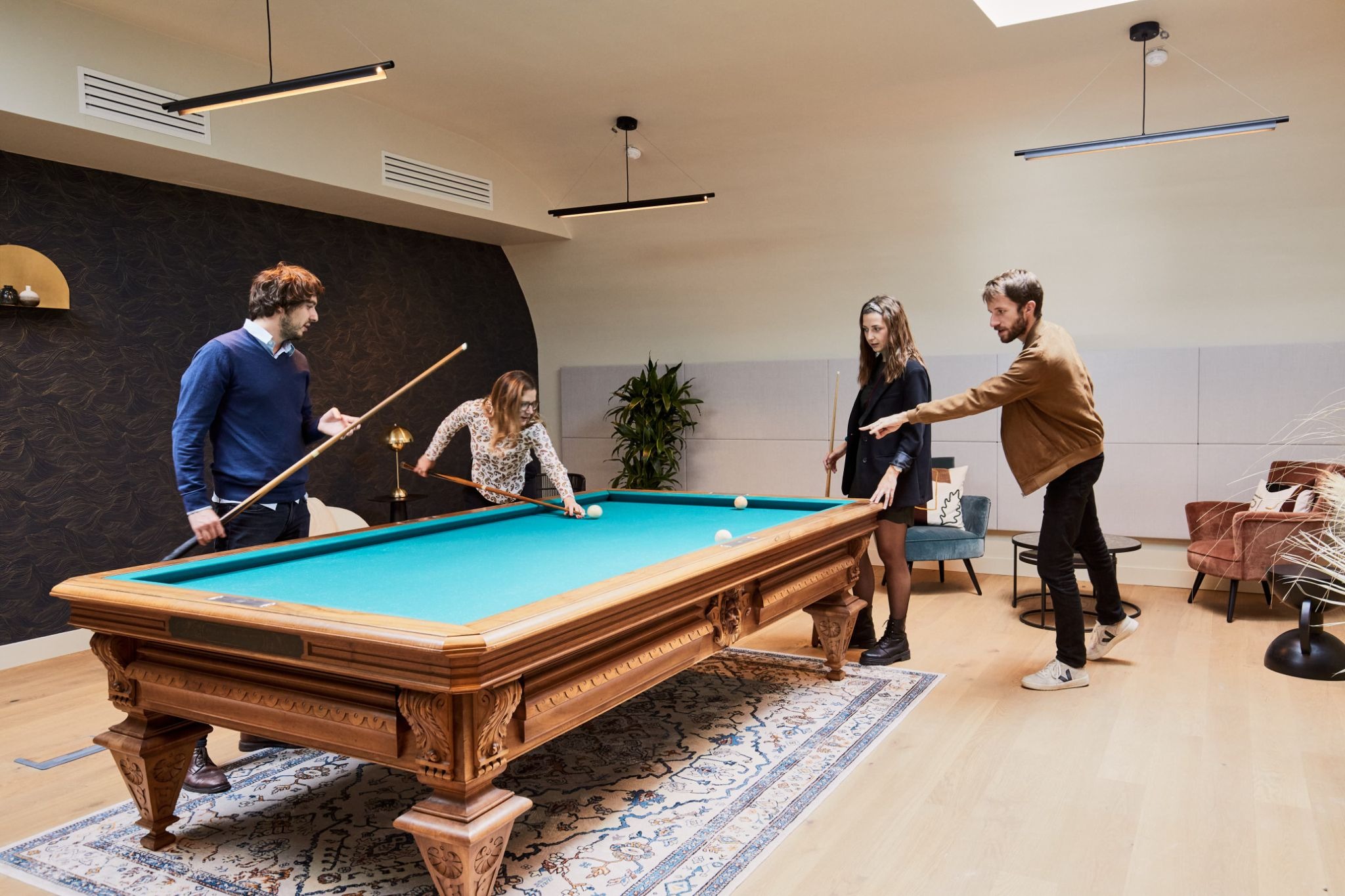
A desirable space isn't necessarily a luxurious one. It's somewhere you feel good the moment you walk through the door. A friendly welcome, good coffee, thoughtful design, messages on the walls that make you want to look up from your screen. And, above all, a sociable place. A place where people cross paths, get talking, where a six-person business can rub shoulders with a team from a major group and come away with fresh ideas.
According to a France Travail survey carried out in 2024, 41% of French employees rank the quality of human relationships as the number one factor in well-being at work. Ahead of benefits in kind, ahead of luncheon vouchers, even ahead of flexible hours.
The office, when it's done well, isn't just a place to set down your laptop. It's a catalyst for connection.
The workspace: a new recruitment argument?
If the space matters this much, companies would do well to seize on it as an HR lever in its own right.
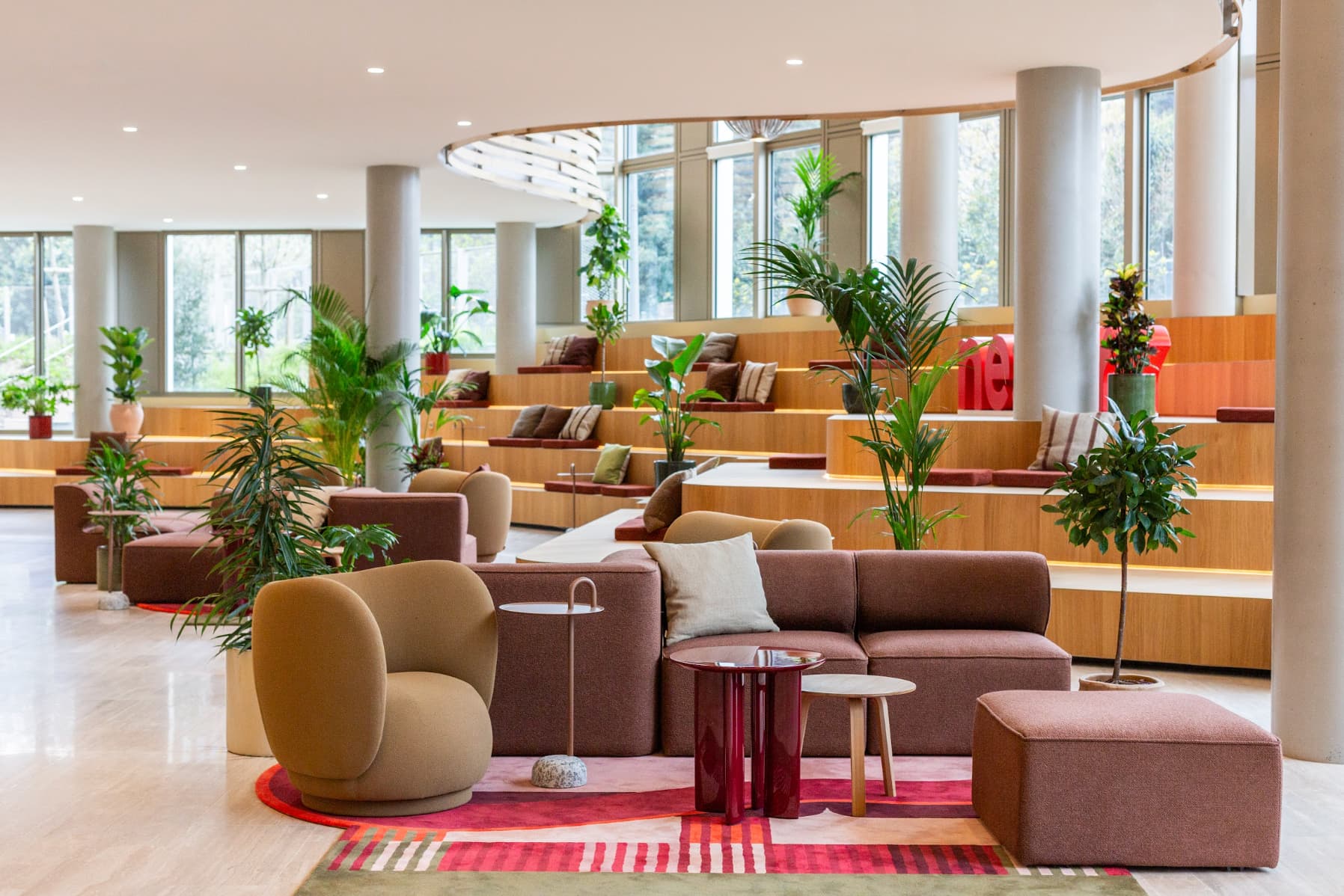
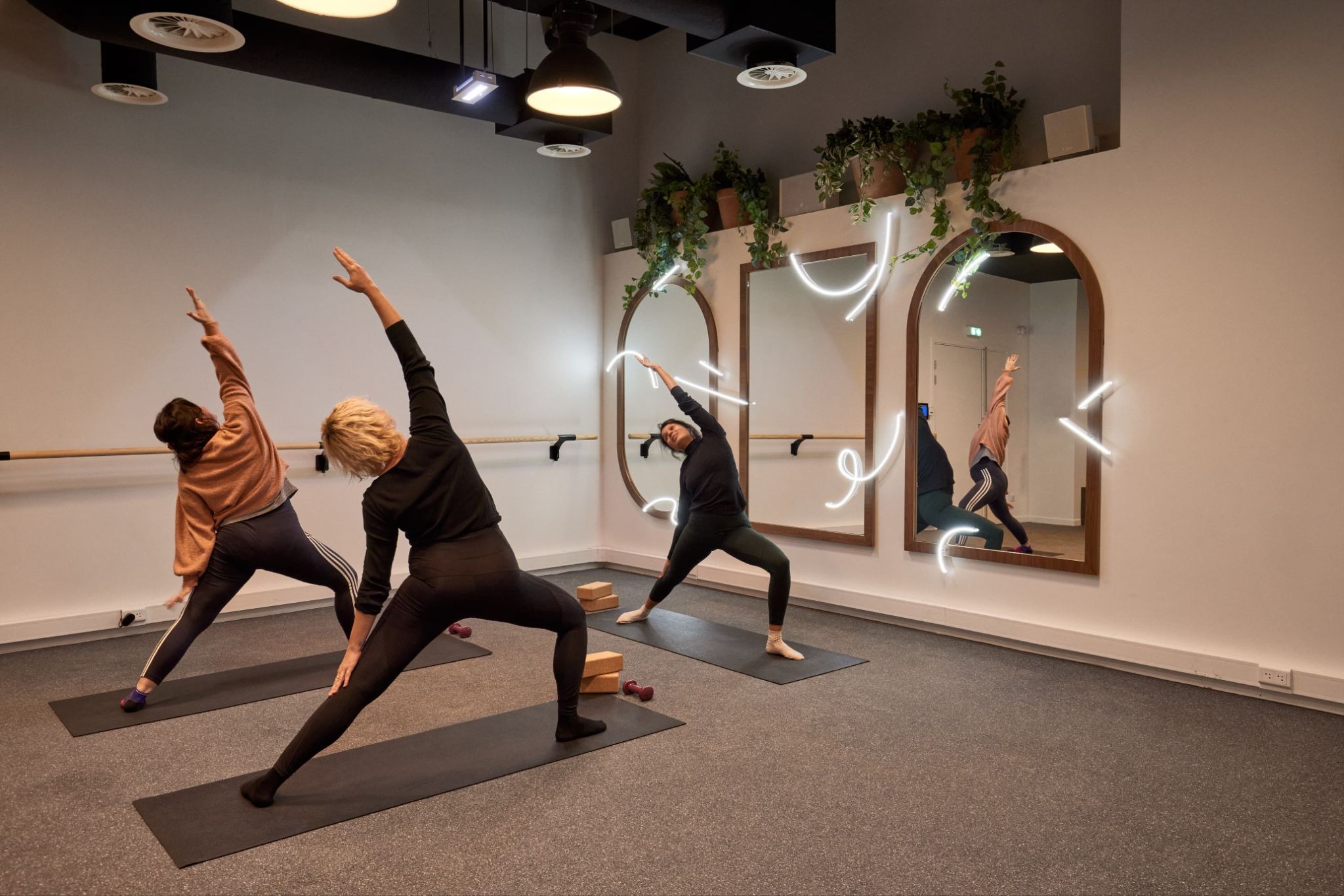
The working environment has a direct, mechanical impact on how appealing a role is. A pleasant, light-filled workplace, with amenities such as an atrium, a gym or a coffee bar, strengthens candidates' desire to join the team, even for an identical job description set in a less appealing location.
The figures bear this out: according to the 3rd edition of the ISC Paris / BVA Xsight barometer on happiness at work as seen by young people (2024), 31% of young workers cite the working atmosphere as a deciding factor in their choice of employer. A figure that has held steady for three years, which tells you this is no passing fad. The working environment has become, just like the work itself or the prospects for progression, a concrete recruitment argument.
The reasoning is the same for retention. A company that gives its employees a pleasant workspace and practical services, a gym, on-site catering, a network of sites for working close to home, mechanically reduces day-to-day friction. And the less friction there is, the less inclined teams are to leave.
That said, pay remains the top criterion, cited by 47% of young workers in 2024, up 5 points in three years. The space only comes into its own once the money question has been settled. That's not a reason to lose interest in it, it's a reason not to treat it as the answer to everything.
On-site, remote, flex office: finding the right balance
The debate is nowhere near over. Since the end of Covid, remote work has taken hold, sometimes in a fairly haphazard way, with policies of three, four or even five days a week working from home that, with hindsight, have proved hard to sustain.
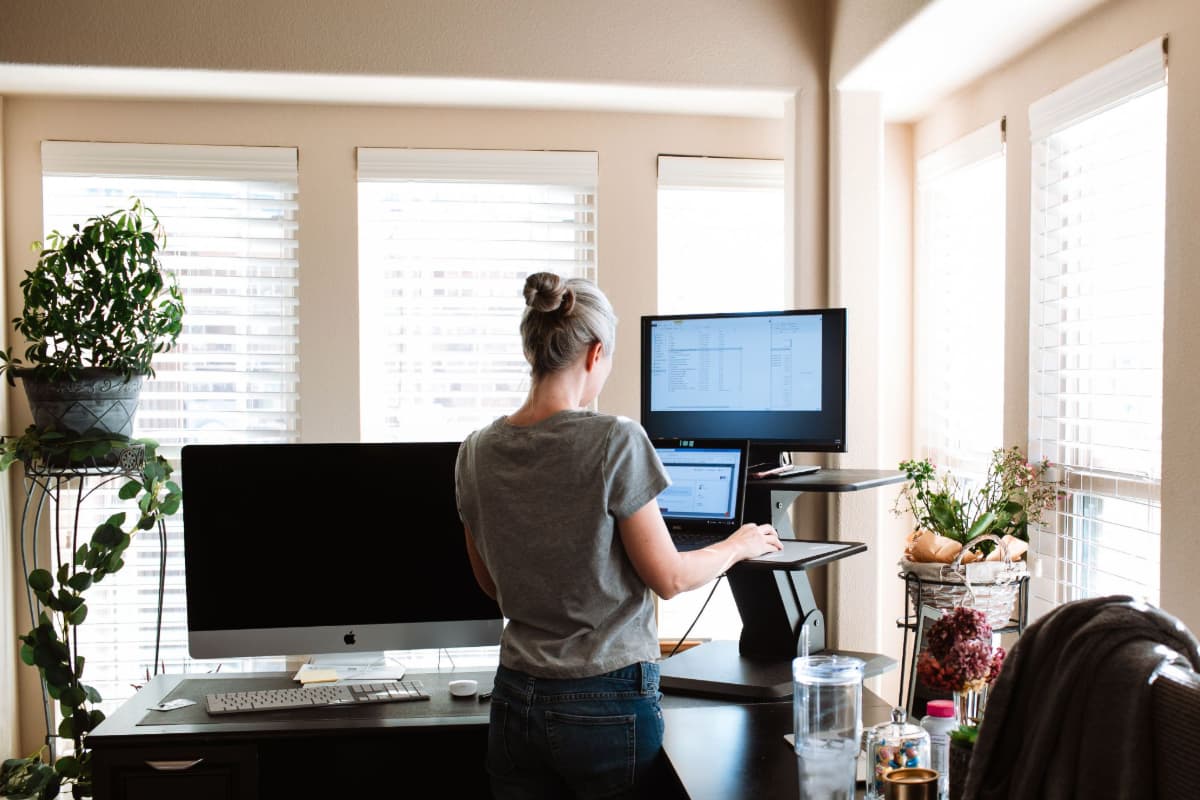
Today, companies are gradually reining things in. Those that had gone a very long way with remote work are moving back towards a balance of around two days a week. Others are trialling an even more flexible approach: allocating a quota of remote-working days to be used freely across the year, like time-off-in-lieu days. A way of answering what employees really want, which isn't so much remote work in itself as flexibility in how they organise their time.
There is another reason, less often mentioned, for not overdoing remote working: loneliness. According to the Gallup 2024 report, 1 employee in 5 feels lonely for a good part of their working day. That figure rises to 25% among fully remote employees, compared with 16% for those who work on site.
The workspace: a powerful lever, but not a magic one
According to the ADP 2024 observatory, employees' top three expectations of their manager are, unsurprisingly: listening and support (46%), respect and consideration (46%), and the ability to motivate (39%). Nothing on that list can be bought from an office-fit-out catalogue.
Happiness at work is systemic. It doesn't come down to a single variable. The space counts. Pay counts. Flexibility counts. Management counts. The mistake would be to believe that by pulling on one of these levers, the whole equation resolves itself. Greater well-being at work is built when all these elements fall into line.
And for that, there is no magic recipe. There are organisations that trust their teams to organise themselves, that invest in spaces designed to make people want to come in, that constantly gauge their employees' real needs so they can adapt. These are the companies that, tomorrow, will have the most engaged teams.
Our team is available to assist you.

Download our new study
Nouveaux bureaux : ce qu'attendent les salariés
.png)
.jpg)