

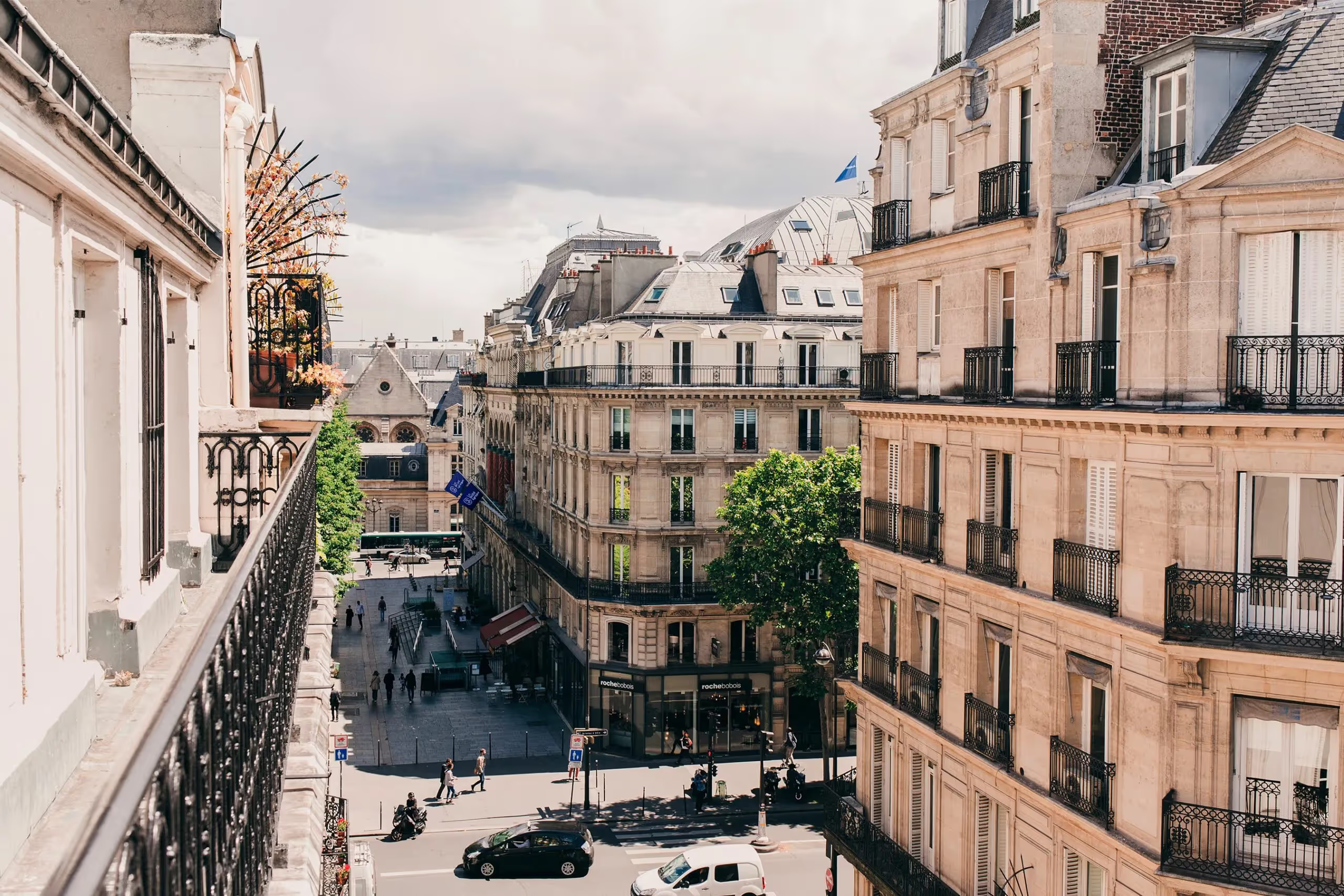
Silicon Sentier is a business district of the capital, bounded by rue du Sentier, boulevard Sébastopol, boulevard Poissonnière and rue de Réaumur in the 2nd arrondissement of Paris. Dubbed the French "Silicon Valley", the Sentier district has always been a place where commercial activity is concentrated. Since the 17th century, royal edicts have encouraged the rise of certain craft trades in the district. Joiners, gilders, and cloth and ready-to-wear merchants followed one another here.
Over the past 30 years, the economic life of the Sentier has transformed, giving way to the service sector. The district is today the haunt of the cream of the Parisian French Tech scene and is seeing a great many coworking spaces spring up. Here is an overview of the district's history.
The origins of "Silicon Sentier",
A historic concentration of craftspeople since the 17th century
The first signs of commercial settlement in the area appear as early as the beginning of the 17th century. In 1623, a royal decree by Louis XIII made it easier for joiners to set up in the district. Renowned craftspeople settled in the Sentier, some of them fulfilling royal commissions. Alongside them, ornamentists and gilder-painters established themselves, and would remain in business until the middle of the 19th century.
Among the famous dynasties of joiners established in the Sentier are the Foliots - official suppliers to the king's furniture store - and their workshop "Au Duc de Bretagne". From 1850 onwards, cloth manufacturers and textile-industry firms took up residence in the Sentier. La Compagnie française des Indes, a colonial company importing Indian cotton fabrics, even set up its head office there. Their influence soon earned the district its reputation as the "Centre of fashion".
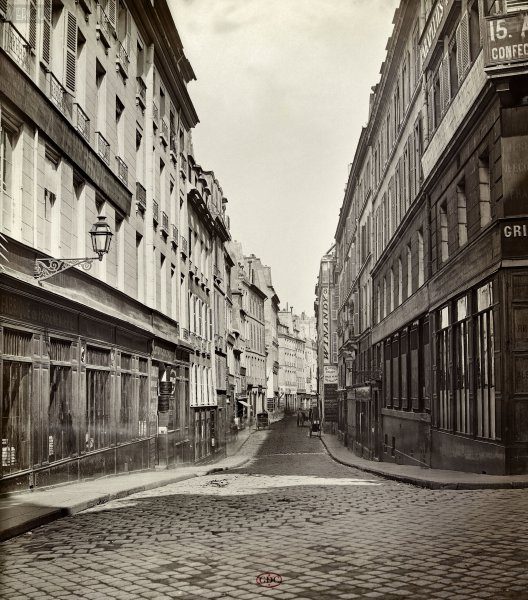
According to the website Les vilains Parisiens "The district becomes one of the flagship centres of ready-to-wear fashion. Fabrics are sold here, designs created and garments made for the whole world. The cloth could be bought on the ground floor and the clothes designed on the floor above." From then on, firms in the sector gradually moved into the district's buildings. A century later, cheap garment-making would truly be the Sentier's hallmark and would enjoy its golden age between the 1960s and 1980s.
In the 1990s, the Sentier saw a mass exodus of cloth craftspeople and traders. The blame lay with streets too narrow to allow delivery lorries through. The modernisation of transport and this urban-structure shortcoming brought the Sentier's textile era to an end, with the 2008 crisis hastening this outcome. The departure of textile professionals to Aubervilliers made way for web companies, which came to settle in large numbers in the district.
The rise of Silicon Sentier in the late 2000s,
The cradle of the Parisian French Tech scene
Since the late 2000s, the Silicon Sentier association has supported and sponsored the growth of startups, those young, new and promising ventures. Through a new system for accelerating and incubating innovative, disruptive projects, the association is a genuine pioneer within the emerging French Tech scene. It was in 2008 that it launched La Cantine, the first coworking space in France, and Le Camping, the first startup accelerator, was launched in 2011.
In 2013, the association inaugurated NUMA, an agora of innovative companies that was at once an incubator, a coworking space and a project accelerator. NUMA was located at 39 rue du Caire, before Morning opened the current Morning Sentier there, home to the startup Swile - a French unicorn since October 2021.

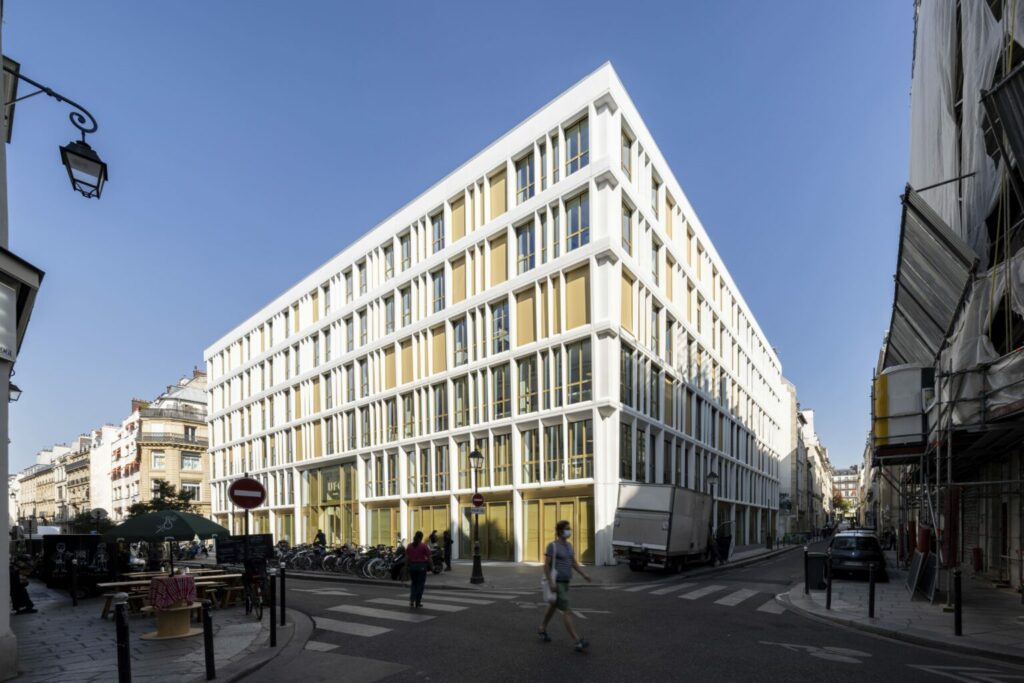
This buzz of innovation and growth has led many startups such as Totem to move in, as well as more established names in the Parisian French Tech scene such as Happn, Le Bon Coin and Planity, which have their own standalone offices in Silicon Sentier. The district is also home to a whole host of coworking spaces, franchised by various players in the market. Companies setting up in the district opt to rent coworking office space in Spaces, Deskeo, Les Nouveaux Bureaux and Morning locations.

This clustering of web players is explained in particular by the presence of a high-speed internet network, historically installed to serve the needs of the Paris Stock Exchange and the district's banks. The former workshops boast large glass roofs, much sought after by companies. Many startups look for bright, light-filled workspaces - echoing the fantasy of the "Californian startup" with its sun-drenched offices.
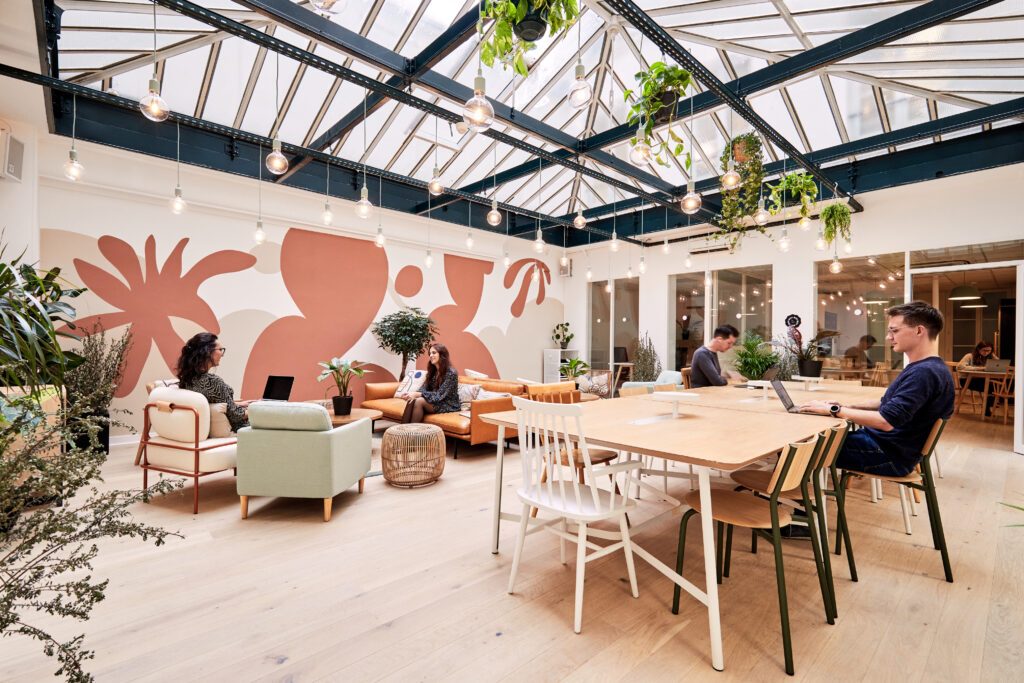
While, down the ages, companies' fields of activity change, the Sentier remains one of the capital's most vibrant districts, ready for any reinvention.
***
☞ Morning Cléry, the workspace that reduces its environmental impact
☞ Everything about Swile's move to Morning Sentier
Our team is available to assist you.

Download our new study
Nouveaux bureaux : ce qu'attendent les salariés
.png)
.jpg)