

In 2024, with 36% of French employees working remotely on a regular or occasional basis , a crucial question arises: how can decor make staff want to come back to the office?
For 95% of employees, the working environment plays a major role in their well-being and their effectiveness at work. So what impact does it have, and what are the best practices for making professional offices pleasant places to be?
Why decor matters in a professional office
Impact on the working environment
The working environment has a direct influence on our state of mind and our ability to concentrate. The studies are unequivocal: spaces that incorporate natural elements boost employees' sense of well-being by 13%. This statistic makes perfect sense when you consider that we spend an average of more than 8 hours a day in our offices.
Reducing stress also comes down to a well-considered, attractive environment. Research in environmental psychology is unanimous: spaces that incorporate natural elements contribute significantly to lowering levels of cortisol, the stress hormone. Biophilic design, which brings nature into the architecture, goes far beyond mere decoration: it stimulates our cognitive abilities and supports our mental health .
In 2024, the "well-being" trend is establishing itself as a priority in office design. Companies that have adopted this approach have seen remarkable results: a 30% reduction in absenteeism and a 25% increase in employee satisfaction .
Influence on employee productivity
The impact of a well-designed environment on performance can now be measured precisely. Recent studies show a rise in productivity of up to 15% . This improvement is explained by better concentration thanks to acoustically optimised spaces, higher morale linked to a pleasant environment, and easier collaboration made possible by well-thought-out spaces.
In France, poorly managed workplace stress represents a considerable cost, estimated at between 830 and 1,656 million euros a year. A pleasant, well-designed working environment is therefore a strategic investment, reducing this hidden cost while improving employee well-being.
Decor ideas for open-plan offices

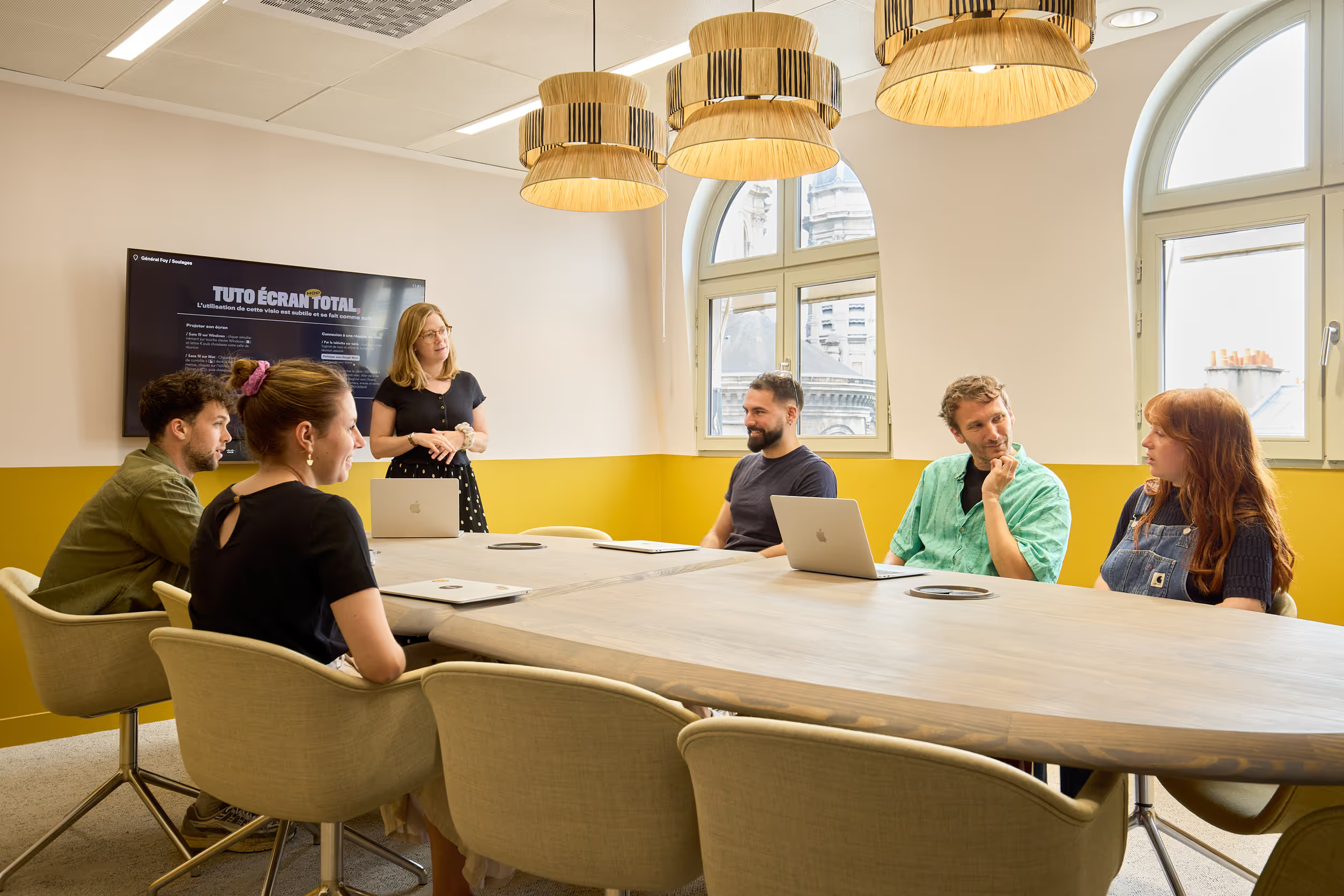
Using colour to energise the space
Colour psychology is establishing itself as a central element in the design of modern workspaces . Here is how colours influence our working environment:
- Blue encourages concentration and calm
- Green reduces eye strain and soothes
- Yellow stimulates creativity and optimism
- Orange encourages communication and sociability
The 2024 trends show a shift towards more sophisticated and considered colour palettes . The key is to create a harmony that supports the various activities in the space while respecting the company's visual identity.
Decorative elements to create sociable areas

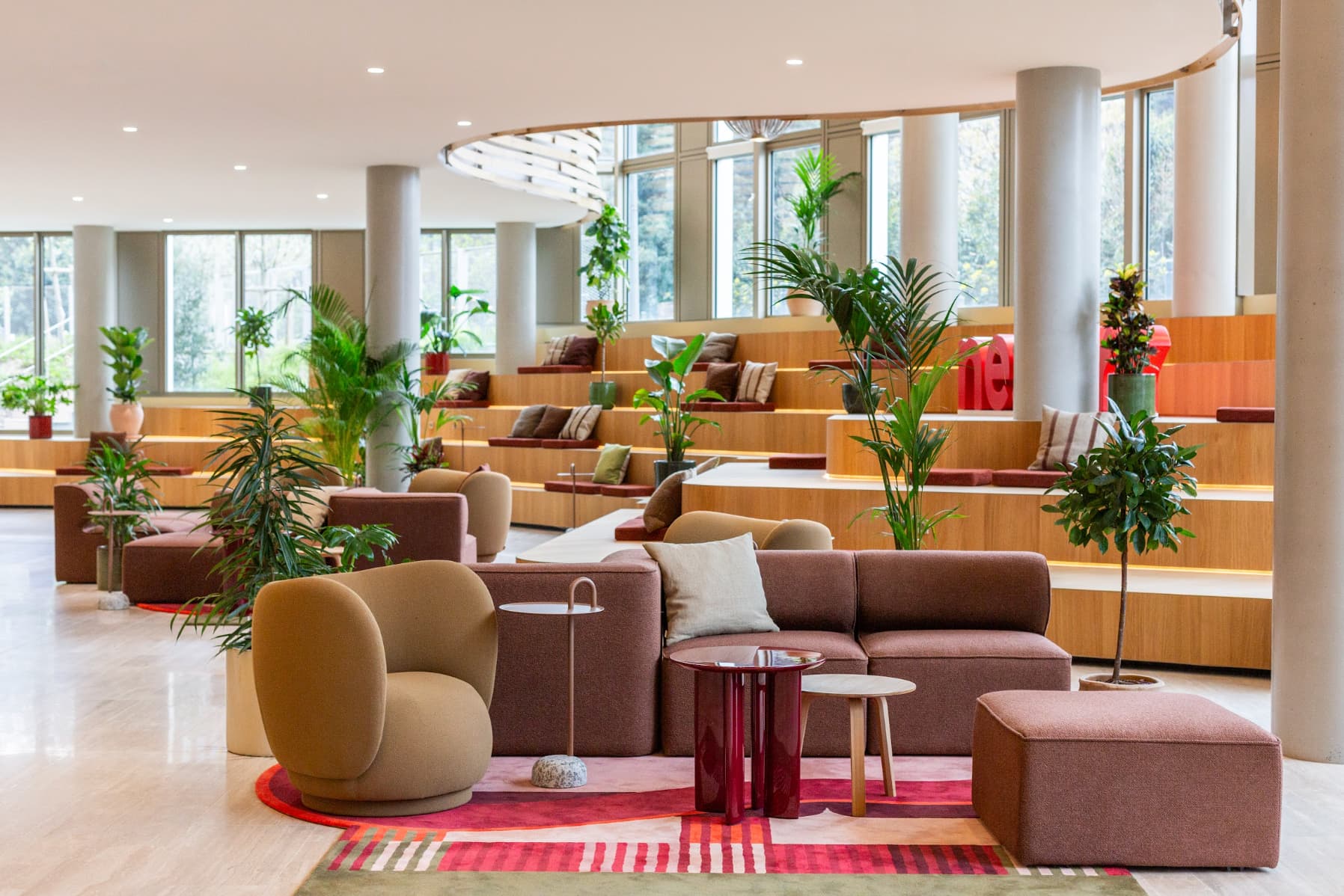
The "resimercial" trend, which merges the comfort of home with professional elegance, is establishing itself as a major development in 2024 . This approach answers a growing need to create spaces where staff feel genuinely at ease.
The integration of natural elements is becoming more sophisticated . Smart living walls with automated irrigation systems now sit alongside sustainable, eco-friendly natural materials. Biophilic decorative elements blend harmoniously with natural acoustic solutions, creating environments that are both attractive and functional.
5 practical tips for decorating a professional office
1- Assess your needs before you start
Analysing ways of working is the essential first step . Every organisation has its own particularities and its own needs. In 2024, workspaces need to be designed to make hybrid working easier while encouraging spontaneous collaboration. Creating dedicated quiet areas and making spaces modular have become must-haves in any successful fit-out project.
Consulting your teams is not an option but a necessity. Staff are the primary users of these spaces: their feedback is invaluable for creating an environment that truly meets their expectations.
2- Plan a budget
Here is the recommended budget breakdown for an optimal fit-out project:
- Structural works (30-40% of the budget)
- Furniture and equipment (25-35%)
- Acoustic solutions (15-20%)
- Decoration and finishes (10-15%)
- Contingency for the unexpected (10%)
3- Mistakes to avoid
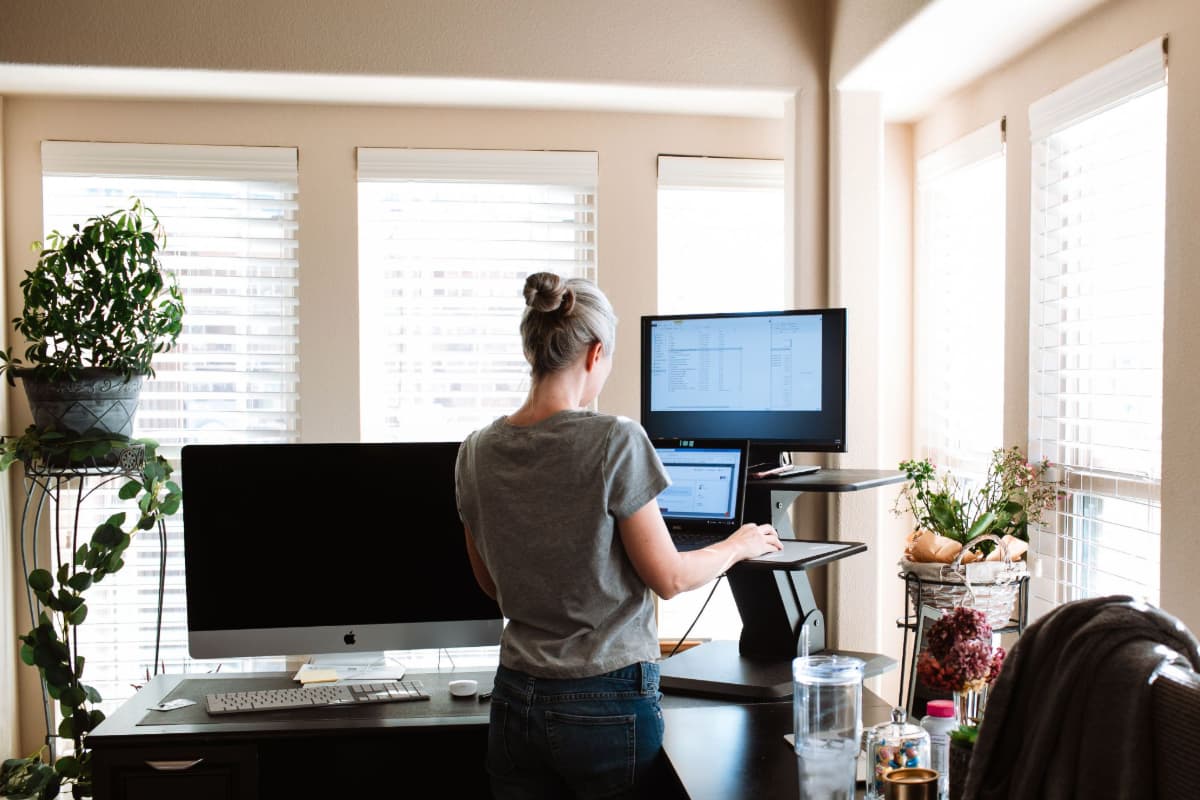
First of all, acoustics, often the poor relation of fit-out projects, even though a noisy environment can reduce productivity by 66%. Be sure to plan your spaces around how sound is used. Next, do not neglect storage, which is frequently underestimated, creating cluttered spaces that make people reluctant to come into the office. It is also important not to sacrifice comfort for aesthetics: be sure to choose ergonomic office chairs and suitable screens. And finally, do not forget breakout areas, essential to staff well-being but also to the informal exchanges that create the spontaneity so important to team cohesion.
4- Key points not to overlook
Natural light is fundamental . Sufficient exposure improves sleep quality, boosts productivity by 15%, reduces eye strain and supports the regulation of the circadian rhythm. Circulation should be smooth and intuitive, making it easy to move around while encouraging spontaneous interactions between colleagues.
5- The details not to forget
The 2024 trends place the emphasis on the smart integration of greenery and invisible storage solutions. Personalising spaces and having adaptable furniture have also become must-haves for creating high-performing, pleasant working environments.
Office decor goes well beyond aesthetic considerations. It is a strategic investment that has a direct influence on the well-being, productivity and creativity of teams. At a time when remote work is establishing itself as a new norm, creating attractive, inspiring workspaces is becoming a major challenge for companies wanting to maintain strong collective momentum.
Do you have experiences to share about the impact of decor in your working environment? Do feel free to tell us in the comments below.
Our team is available to assist you.

Download our new study
Nouveaux bureaux : ce qu'attendent les salariés
.png)
.jpg)